Complete Guide to Slipped Disc: Symptoms, Treatment, and Recovery

Introduction
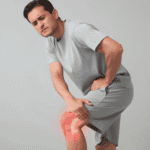
A slipped disc, medically known as a herniated disc or prolapsed disc, or ruptured disk, occurs when the soft inner material of a spinal disc pushes through a weakness in the outer layer, potentially putting pressure on the spinal nerves. This common condition affects the lumbar spine in 95% of cases and represents one of the leading causes of back pain and leg pain in adults. A slipped disc can occur in any part of the spine but is most common in the lumbar region. The most common age to develop a slipped disc is between 30 and 50 years. Men are about twice as likely to develop a slipped disc compared to women.
Understanding how a herniated disk occurs and recognizing its symptoms can dramatically improve your recovery outcomes and help you avoid unnecessary worry during the healing process.
What This Guide Covers?
This comprehensive guide covers everything from spinal disc anatomy to complete recovery strategies, including both nonsurgical treatment options and when surgical intervention might be necessary. We’ll explore symptom recognition, diagnostic procedures, and evidence-based treatment approaches.
Who This Is For?
This guide is designed for individuals experiencing back pain, those recently diagnosed with a slipped disk, and anyone seeking to understand prevention strategies. Whether you’re dealing with acute symptoms or supporting someone through recovery, you’ll find practical, medically-accurate information.
Why This Matters?
Research shows that 90% of herniated disc cases resolve naturally within six weeks with proper understanding and management. However, recognizing when symptoms require immediate medical attention—particularly signs of cauda equina syndrome—can prevent permanent complications. About 90% of people with a slipped disc recover within six weeks without surgery. Most patients with a slipped disc will improve with nonsurgical treatment within a few weeks to months.
What You’ll Learn:
- How disc herniation affects the spinal cord and nerve root function
- Recognizing symptoms from mild back pain to severe nerve compression
- Evidence-based treatment approaches and recovery timelines
- When to seek emergency care versus managing symptoms at home
Understanding Slipped Disc Anatomy and Mechanics
A herniated lumbar disk develops when the gel-like nucleus inside a spinal disc breaks through the tough outer ring, creating pressure on nearby spinal nerves and potentially the spinal canal itself. A slipped disc occurs when the disc protrudes from its normal boundary, leading to nerve irritation and discomfort.
The spinal discs function as shock absorbers between the vertebrae called vertebrae, consisting of two distinct components. The outer layer, known as the annulus fibrosus, provides structural strength, while the inner nucleus pulposus acts as a cushioning gel. Disk degeneration, a natural aging process, weakens the outer ring over time, making it more susceptible to herniation even from minor activities.
This anatomical understanding directly impacts treatment decisions because the healing process involves both reducing nerve inflammation and allowing the outer layer to strengthen naturally.
Types of Disc Herniation
Disc protrusion occurs when the outer layer remains intact but bulges outward, typically causing milder symptoms that respond well to conservative treatment.
Disc extrusion involves the outer layer tearing, allowing disc tissue to leak into the spinal canal and create more significant nerve compression.
Disc sequestration represents the most severe form, where disconnected disc material moves freely within the spinal canal, often requiring surgical intervention.
This classification connects directly to symptom severity because each type creates different levels of pressure on the spinal nerves and affects treatment timelines differently.
Lumbar vs Cervical Disc Problems
Lumbar disc herniation affects the lower back and commonly causes leg pain caused by sciatic nerve compression, with painful symptoms radiating down one or both legs.
Cervical disc problems occur in the neck region, typically producing arm pain, shoulder blade discomfort, and sometimes hand weakness rather than leg symptoms.
Building on the anatomy basics, location determines which spinal nerves become affected and explains why lumbar issues cause sciatica while cervical problems affect upper extremity function.
Transition: Understanding how herniated disk occurs anatomically helps explain why specific symptoms develop and guides appropriate treatment selection.
Causes and Risk Factors
A herniated disc, sometimes called a slipped or bulging disc, develops when the disc tissue between the vertebrae pushes out of its normal position, placing pressure on the spinal nerves. This process often results from gradual wear and tear, as spinal discs naturally lose elasticity and become more brittle with age. Over time, the outer layer of the spinal discs can weaken, making them more susceptible to herniation even with minor movements or strains.
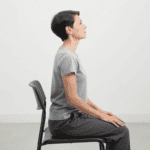
Certain factors can increase your risk of developing a herniated disc. Age is a significant contributor, as disc degeneration is a normal part of the aging process. Lifestyle choices also play a crucial role—smoking can reduce blood flow to the discs, accelerating degeneration, while carrying excess weight puts additional stress on the spine. A sedentary lifestyle, lack of regular exercise, and poor posture can further weaken the supporting muscles and spinal structures.
Occupational risks include jobs that require frequent heavy lifting, repetitive bending or twisting, and long periods of sitting, especially when combined with improper lifting techniques. Even frequent driving, which exposes the spine to constant vibration and sitting, can increase the likelihood of disc problems.
To reduce your risk, focus on maintaining a healthy weight, engaging in regular exercise to strengthen the muscles supporting your spine, and using proper body mechanics when lifting or moving objects. These preventive measures help protect your spinal discs and minimize pressure on the spinal nerves.
Slipped Disc Symptoms and Nerve Involvement
The symptoms of a slipped disc vary significantly depending on which nerve root experiences compression and the severity of herniation affecting the spinal column. Common symptoms of a slipped disc include pain radiating to the limbs, numbness, tingling, and muscle weakness.
Other symptoms may also occur, such as numbness, tingling, or, in some cases, no symptoms at all. Recognizing these other symptoms is important for accurate diagnosis and treatment.
Primary Back Pain Symptoms
Sharp pain typically develops suddenly in the affected spinal region, often described as severe pain that worsens with movement, coughing, or sneezing. Unlike minor strain or muscle-related discomfort, disc-related back pain often intensifies during long periods of sitting or when pressure on the spinal structures increases. A slipped disc can cause very sudden and severe shooting pain. The pain is usually eased by lying still and standing and is often made worse when moving the back, coughing, or sneezing.
The pain worse pattern distinguishes disc problems from other back conditions because disc herniation creates both mechanical compression and chemical irritation of nearby nerve structures.
Sciatica and Nerve Root Pain
When a herniated lumbar disk compresses the sciatic nerve, characteristic leg pain develops that radiates from the buttock down the back of the leg, sometimes reaching the foot. This leg pain caused by nerve compression differs from muscle pain because it follows specific nerve pathways.
Patients often feel pain accompanied by numbness, tingling, or muscle weakness in the affected nerve distribution. The burning, shooting sensations may affect different areas simultaneously—sharp pain in the hip while experiencing numbness in the calf represents typical nerve root involvement.
Unlike primary back pain symptoms, nerve compression creates both sensory changes and potential muscle strength deficits in the leg.
Red Flag Symptoms Requiring Emergency Care
Cauda equina syndrome represents a medical emergency requiring immediate surgical evaluation. This rare but serious condition develops when herniated disc material compresses multiple nerve roots at the bottom of the spinal cord. Numbness around the inner thighs, loss of bladder or bowel control, and weakness in the legs may indicate cauda equina syndrome and require emergency medical attention.
Warning signs include severe pain in both legs, numbness in the inner thighs and genital area, and loss of bladder or bowel control. Progressive muscle weakness or inability to lift the foot also indicates potential emergency situations.
Key Points:
- Most herniated disc symptoms affect one side of the body
- Nerve compression creates distinctive radiating pain patterns
- Emergency symptoms involve bilateral leg problems and bowel/bladder dysfunction
Transition: Recognizing symptom patterns helps determine when professional medical evaluation becomes necessary.
Diagnosis and Medical Evaluation Process
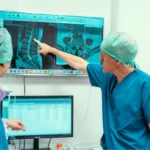
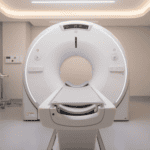
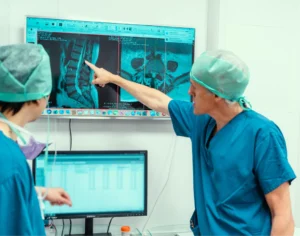
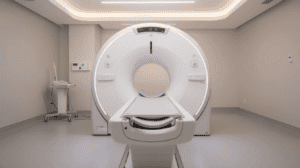
Medical professionals use systematic examination approaches to distinguish herniated disc symptoms from other conditions causing similar back pain presentations. Imaging tests such as MRI scans and CT scans are commonly used to confirm the presence of disk herniation and assess the extent of nerve involvement.
Step-by-Step: Medical Examination Process
When to use this: Symptoms persisting beyond initial conservative management or when red flag symptoms develop.
- Medical History Review: Your doctor evaluates symptom timeline, pain patterns, and activities that worsen or improve your condition.
- Physical Examination: Assessment includes testing muscle strength, reflexes, and sensation patterns in both legs to identify affected nerve roots.
- Straight Leg Raise Test: This diagnostic maneuver reproduces leg pain when raising the affected leg while lying down, indicating probable nerve root compression.
- Neurological Function Testing: Evaluation of walking ability, muscle control, and coordination helps determine severity of nerve involvement.
Using proper lifting techniques can help prevent a slipped disc.
Comparison: MRI Scan vs CT Scan vs X-Ray
Feature | MRI Scan | CT Scan | X-Ray |
|---|---|---|---|
Disc Tissue Visibility | Excellent detail of herniation | Good for bone, limited soft tissue | Cannot see discs |
Radiation Exposure | None | Moderate | Low |
Cost | High | Moderate | Low |
Availability | May require scheduling | Usually available | Widely available |
Magnetic resonance imaging provides the most detailed view of disc herniation and nerve compression, making it the preferred imaging test when conservative treatment fails or surgical planning is needed. MRI scans can show the presence of a slipped disc, but many people with herniated discs do not have symptoms.
Transition: Proper diagnosis guides treatment selection and helps establish realistic recovery expectations.
Common Challenges and Treatment Solutions
Most people with herniated disc experience predictable recovery phases, though specific challenges may require targeted management strategies. Many patients experience episodes of pain during their recovery from a slipped disc.
Challenge 1: Managing Severe Initial Pain
Solution: Combine anti inflammatory painkillers with strategic positioning and gradual movement rather than complete bed rest. Resting for one to two days can help relieve back and leg pain from a slipped disc.
Initial treatment focuses on pain medication including NSAIDs and sometimes muscle relaxants, while maintaining gentle exercise rather than prolonged inactivity which can delay healing. Gentle movement and stretching are recommended for managing symptoms of a slipped disc. Painkillers should be taken regularly to manage pain from a slipped disc. Symptoms of a slipped disc usually improve over a few weeks as the tissues that have spilled against the nerve start to shrink.
Challenge 2: Fear of Movement and Activity Avoidance
Solution: Work with a physical therapist to develop a graduated exercise program that safely rebuilds confidence in movement. Physical therapy can help strengthen the muscles that support the spine.
Regular exercise promotes disc healing and prevents muscle weakness, but many people avoid activity due to pain concerns, creating a cycle that actually prolongs recovery.
Challenge 3: Persistent Symptoms Beyond Six Weeks
Solution: Consider advanced interventions including epidural steroid injection or surgical consultation when symptoms persist beyond the typical healing timeframe. Epidural steroid injections can provide short-term pain relief for patients with a slipped disc.
While only a small percentage of cases require surgery, persistent severe symptoms may benefit from targeted treatments like spinal injections or, rarely, emergency surgery for cauda equina syndrome. Surgery for a slipped disc is typically recommended if symptoms persist for longer than 6 to 12 weeks despite nonsurgical treatment. Microdiskectomy is a common surgical procedure used to treat a single herniated disc. Recovery time after surgery varies, with minimally invasive procedures allowing return to normal activities in 1 to 3 weeks and spinal fusion potentially requiring several months. The first symptom to improve after surgery is usually pain, followed by strength and sensation.
Transition: Understanding these common challenges helps set realistic expectations and guides decision-making throughout recovery.
Surgical Treatment Options
Surgical treatment for a herniated disc is generally reserved for cases where severe pain or neurological symptoms persist despite several weeks of nonsurgical treatment. The primary goal of surgery is to relieve pressure on the affected nerve by removing the portion of disc tissue that is compressing the spinal nerves.
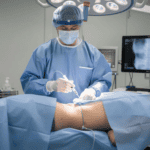
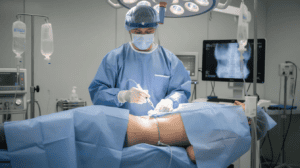
One of the most common procedures is a microdiskectomy, which involves making a small incision and using a microscope to carefully remove the herniated disc material. This minimally invasive approach allows for precise removal of the disc tissue while minimizing damage to surrounding structures. Another option is endoscopic diskectomy, which uses a thin tube with a camera to access and remove the herniated portion through an even smaller incision, often resulting in quicker recovery times.
In cases where there are multiple herniated discs or more complex spinal issues, open surgery with a larger incision may be necessary to fully address the problem. The choice of surgical technique depends on the location and severity of the herniated disc, as well as the patient’s overall health.
It’s important to discuss all available options with an orthopaedic surgeon, who can explain the potential benefits and risks of each surgical treatment. Surgery is typically considered only after other treatments have failed, but it can provide significant relief from severe pain and restore function when pressure on the spinal nerves is the primary cause of symptoms.
The Benefits of Physical Therapy
Physical therapy is a cornerstone of herniated disc treatment, offering a safe and effective way to manage symptoms and support long-term recovery. Working with a physical therapist, you’ll learn targeted exercises designed to relieve pressure on the affected nerve, improve flexibility, and restore muscle strength in the back and core.
A physical therapist will assess your specific needs and develop a personalized program that may include gentle stretching, strengthening exercises, and low-impact aerobic activities. These exercises not only help reduce pain but also enhance stability and support for the spine, reducing the risk of future injuries.
In addition to exercise, physical therapists provide valuable education on proper lifting techniques, posture, and body mechanics, all of which are essential for protecting your spine during daily activities. Regular exercise under professional guidance can help you regain mobility, improve your quality of life, and prevent muscle weakness associated with prolonged inactivity.
By committing to a physical therapy program, you can accelerate your recovery from a herniated disc and build the muscle strength needed to support a healthy spine.
The Role of Alternative Therapies
Alternative therapies can complement conventional treatments for a herniated disc, offering additional options for managing pain and improving function. Chiropractic care, for example, uses spinal manipulation and adjustments to help relieve pressure on the affected nerve and restore proper alignment in the spinal column. Many people find that these gentle manipulations can reduce discomfort and improve mobility.
Acupuncture is another popular alternative therapy, involving the insertion of fine needles at specific points on the body to stimulate natural healing processes and provide pain relief. Some individuals experience significant symptom improvement with regular acupuncture sessions.
Massage therapy can also play a supportive role by relaxing tight muscles, enhancing circulation, and reducing pain associated with a herniated disc. These therapies may help alleviate symptoms and promote a sense of well-being, especially when used alongside physical therapy and medical management.
Before starting any alternative therapy, it’s important to consult with your healthcare provider to ensure that the chosen approach is safe and appropriate for your specific condition. When used responsibly, alternative therapies can be a valuable part of a comprehensive treatment plan for herniated disc recovery.
Conclusion and Next Steps
Research consistently shows that symptoms tend to resolve naturally within a few weeks for the vast majority of herniated disc cases, making conservative management the preferred initial approach for most people. Most people with a slipped disc feel much better within a few weeks to months with nonsurgical treatment.
The key insight is that staying active with appropriate modifications, rather than avoiding movement entirely, supports the body’s natural healing processes while maintaining muscle strength and flexibility.
To Get Started:
- Consult a healthcare provider for proper diagnosis if experiencing symptoms lasting more than a few days
- Begin gentle exercise and avoid lifting heavy objects while maintaining normal daily activities
- Contact a doctor immediately if you experience very high temperature, bladder or bowel control problems, or weakness in both legs
Related Topics: Understanding sciatica management, spinal stenosis, and maintaining a healthy weight can provide additional strategies for preventing future disc problems and supporting long-term spinal health.
Additional Resources
Risk Factors to Monitor: Age-related disc degeneration, occupations requiring heavy lifting, and long periods of sitting or improper posture contribute to increased herniation risk. Maintaining a healthy weight can reduce stress on the discs in the lower back. When lifting, always use your legs, not your back, to help prevent a slipped disc. Additionally, smoking can weaken disc tissue and increase the risk of a slipped disc.
Spine and Orthopaedic Surgeons typically recommend surgery only when conservative treatments fail and significant nerve compression persists, emphasizing that nonsurgical treatment remains effective for most cases.