Upper Back Tingling: Causes, Treatment, and When to Seek Help

Introduction
As a consultant spine surgeon, I often have patients come to me with tingling sensations in their back which can be uncomfortable and unsettling. Let’s explore what causes this and how it can be treated.
Upper back tingling is a common sensory disturbance that affects the thoracic and cervical regions of the spine, creating a pins and needles sensation that can range from mildly annoying to significantly disruptive. This abnormal sensation, medically termed paresthesia, signals that something is affecting the nerve pathways in your upper back, neck, or shoulders. Tingling in the upper back, known as paresthesia, often results from nerve irritation or compression due to mechanical issues like poor posture or spinal conditions.
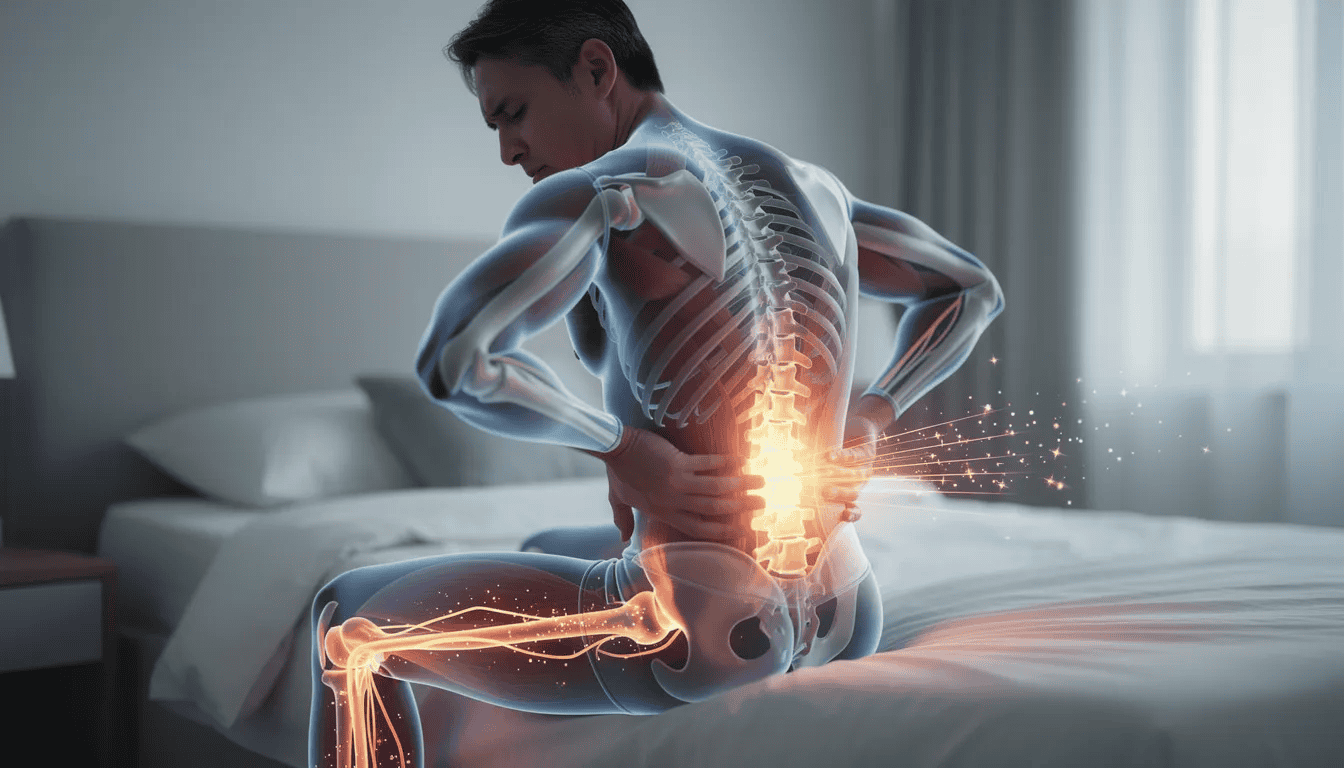
This guide focuses specifically on tingling in the upper back region—the area between your neck and middle back. While related conditions like chronic low back pain and lower back pain share some mechanisms, they fall outside the scope of this content. This information serves people currently experiencing upper back tingling, those caring for someone with these symptoms, and anyone seeking to understand prevention strategies. It’s important to note that upper back tingling can be a symptom of an underlying medical condition, and persistent symptoms should be evaluated by a healthcare professional.
Direct answer: Upper back tingling is commonly caused by nerve irritation originating from cervical spine issues, muscle tension from poor posture, or compression of nerve roots in the neck and upper thoracic region. A tingling sensation in the back can have a variety of causes, including infections, spinal injuries, and fibromyalgia.
By reading this guide, you will:
- Understand the primary causes of upper back tingling and how they affect your nerves
- Recognize symptoms that require immediate medical attention versus those manageable at home
- Learn effective treatment options from conservative approaches to advanced interventions
- Discover prevention strategies to reduce recurrence
- Know exactly when to seek medical attention from a doctor
Understanding Upper Back Tingling
Tingling in the upper back, known as paresthesia, often results from nerve irritation or compression due to mechanical issues like poor posture or spinal conditions. Upper back tingling represents an abnormal sensory experience where nerves send faulty signals to your brain, creating sensations that don’t correspond to actual physical stimuli. This differs from actual numbness, though both often occur together. Understanding this distinction matters because it helps you describe symptoms accurately to your doctor and guides appropriate treatment.
What Upper Back Tingling Feels Like
The tingling sensation in the upper back manifests in several distinct ways. Most commonly, people describe a pins and needles sensation similar to what happens when a limb “falls asleep.” Others experience burning, crawling sensations, or a shock like sensation that radiates across the shoulder blades. Some individuals report feeling like electrical currents are running beneath their skin. Tingling sensations in the back can be described as a pins-and-needles, stinging, or crawling sensation.
These sensations occur because nerve fibers in the upper back region become irritated, compressed, or damaged. When nerves cannot transmit signals normally, they fire erratically, producing pain or tingling that doesn’t reflect actual tissue damage at the site where you feel it.
Upper Back Nerve Anatomy
The cervical spine contains nerve roots that branch out to supply sensation and motor control to the upper back, shoulders, arms, and hands. Specifically, cervical nerves C5 through T1 form the brachial plexus—a complex network that controls upper extremity function. When these nerve roots experience compression or irritation at the spinal column, they produce pain, tingling, or numbness in the areas they serve. Rare causes of upper back tingling can include arteriovenous malformations (AVMs), which are abnormally shaped blood vessels that may impact blood flow and nerve function.
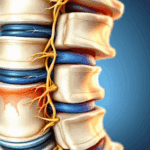
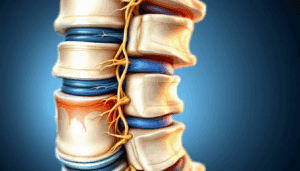
The spinal canal houses the spinal cord, which is part of the central nervous system and serves as its main highway between your brain and body. Disorders affecting the central nervous system, such as fibromyalgia, can also lead to tingling sensations. The shock absorbing discs between vertebrae protect these delicate structures, but when they degenerate or herniate, they can compress nearby nerves and produce abnormal sensations.
Associated Symptoms
Upper back tingling rarely occurs in isolation. Common accompanying symptoms include neck pain that worsens with certain movements, upper back pain between the shoulder blades, and arm tingling that extends to the hands. Some people experience weakness in the arms or hands, difficulty gripping objects, or sharp pain that radiates in specific patterns following nerve pathways.
Understanding this symptom constellation helps identify the underlying cause and guides treatment decisions.
Primary Causes of Upper Back Tingling
Given the complex nerve anatomy of the upper back and cervical spine, a common cause of upper back tingling is nerve irritation or compression, such as from herniated discs or spinal conditions. Multiple conditions can trigger tingling sensations, each operating through distinct mechanisms and requiring different treatment approaches. Conditions causing upper back tingling can be categorized into musculoskeletal issues and systemic or neurological disorders.
Systemic conditions such as diabetes, vitamin B12 deficiency, kidney failure, and infections like HIV or meningitis can also cause upper back tingling due to peripheral neuropathy.
Notalgia paresthetica is another specific nerve issue that results in chronic itching, tingling, or burning, typically between the shoulder blade and spine.
Cervical Radiculopathy
Cervical radiculopathy occurs when a pinched nerve in the neck becomes compressed or irritated at the point where it exits the spinal column. This compression disrupts normal nerve signaling, producing tingling that radiates into the upper back, shoulders, or arms depending on which nerve root is affected.
Common causes of cervical radiculopathy include foraminal stenosis (narrowing of the openings where nerves exit the spine), bone spurs from osteoarthritis, and disc herniation. The condition often develops gradually through degenerative changes but can appear suddenly after a car accident or other trauma.
Herniated Cervical Discs
A herniated disc (sometimes called a slipped disc) occurs when the soft inner material of an intervertebral disc pushes through its outer layer. In the cervical spine, this herniated material can directly compress adjacent nerve roots, triggering tingling, pain, and sometimes weakness in the upper back and arms.
Disc herniation may result from age-related degeneration, lifting heavy objects improperly, or sudden trauma. The severity of symptoms correlates with how much the disc protrudes and which nerve root it compresses.
Postural and Muscle-Related Causes
Poor posture represents one of the most common causes of upper back tingling, particularly in people who work at computers or maintain the same position for long periods. Forward head posture strains the back muscles and compresses nerves, while rounded shoulders create tension that irritates nerve pathways.
Muscle tension in the trapezius and rhomboids can compress nearby nerves or restrict blood flow to nerve tissue. Repetitive strain from physical activity or occupational demands compounds these effects over time.
Key causes summary: Upper back tingling most frequently stems from nerve compression in the cervical spine, disc problems, or postural strain—all of which respond to appropriate treatment when properly diagnosed.
Diagnosis of Upper Back Tingling
Diagnosing the cause of upper back tingling begins with a comprehensive medical evaluation. Your healthcare provider will start by gathering a detailed medical history, asking about the onset, duration, and nature of your tingling sensation, as well as any related symptoms such as numbness, weakness, or changes in movement. They’ll also inquire about your daily activities, recent injuries, and any underlying medical conditions that could affect the spinal cord or nerves.
A physical examination follows, focusing on the upper back, neck, and arms to check for signs of nerve irritation or damage. Your doctor may test your muscle strength, reflexes, and sensation in the affected areas to pinpoint which nerves might be involved.
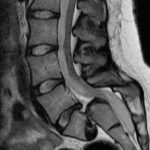
To get a clearer picture of what’s happening inside your spine, imaging tests such as X-rays, CT scans, or MRI scans may be ordered. These tests help visualize the spinal cord, vertebrae, and surrounding tissues, revealing issues like disc herniation, spinal stenosis, or other abnormalities that could be compressing nerves. In some cases, specialized tests like electromyography (EMG) or nerve conduction studies (NCS) are used to assess how well the nerves in your upper back are functioning.
It’s crucial to seek immediate medical attention if your tingling sensation is severe, persistent, or accompanied by symptoms such as sudden numbness, significant weakness, or difficulty moving your arms or legs. These signs may indicate a more serious problem affecting the spinal cord or nerves and require prompt evaluation to prevent long-term complications.
Treatment and Management Strategies
Treatment involves addressing both immediate symptoms and underlying causes. The approach depends on severity, duration, and the specific condition producing your tingling.
Conservative Treatment Approach
Most cases of upper back tingling respond well to conservative treatment, making invasive interventions unnecessary for many patients.
Rest and Activity Modification
- Rest and activity modification: Avoid activities that worsen symptoms. Don’t stay in one position for long periods—take breaks every 30-45 minutes during desk work.
Physical Therapy
- Physical therapy: Specific exercises targeting the cervical spine and upper back strengthen supporting muscles and reduce pressure on nerves. A physical therapist can design a program addressing your particular condition.
Posture Correction
- Posture correction: Work to support ideal posture throughout the day. Set up your workstation properly with your monitor at eye level and keyboard positioned to keep shoulders relaxed.
Heat and Cold Therapy
- Heat and cold therapy: Apply ice packs to the painful area for 15-20 minutes during acute flare-ups to reduce inflammation. Use a hot water bottle for muscle tension to improve blood flow and relieve pain.
Pain Management
- Pain management: Over-the-counter pain relievers can reduce pain and inflammation during the initial treatment period. Anti-inflammatory medications specifically help when nerve irritation causes swelling.
Treatment Comparison
Treatment Type | Effectiveness Timeline | Best For |
|---|---|---|
Physical Therapy | 2-6 weeks | Postural causes, muscle tension, maintaining good posture |
Medication | Days to a few weeks | Acute pain relief and inflammation reduction |
Injections | Weeks to months | Severe nerve compression, spinal stenosis |
Choosing between treatment options depends on your specific diagnosis and symptom severity. Mild tingling from poor posture often resolves with postural correction and therapeutic massage within a few weeks. More severe symptoms from cervical radiculopathy or disc problems may require combined approaches including medication and physical therapy. When conservative treatments fail after 6-8 weeks, other treatments like epidural injections or surgery may become necessary. |
Alternative Therapies
In addition to conventional medical treatments, alternative therapies can play a supportive role in managing upper back tingling. Acupuncture, for example, uses fine needles placed at specific points on the body to stimulate healing responses and may help relieve pain and improve blood flow in the upper back. Many people find that therapeutic massage helps relax tight muscles, ease tension, and enhance circulation, which can reduce the intensity of back tingling and support overall comfort.
Chiropractic care is another option, focusing on gentle spinal adjustments and techniques designed to realign the spine and reduce pressure on irritated nerves. For some, practices like yoga and meditation offer additional benefits by lowering stress levels and promoting relaxation, which can indirectly help manage symptoms.
Before starting any alternative therapy, it’s important to consult with your healthcare provider. They can help you determine which approaches are safe and appropriate for your specific condition, ensuring that these therapies complement your overall treatment plan and support your journey to pain relief and improved upper back health.
Managing Upper Back Tingling at Home
There are several effective strategies you can use at home to help manage upper back tingling and reduce discomfort.
Heat and Cold Packs
Applying heat or cold packs to the affected area can relieve pain and decrease inflammation—use a cold pack for acute flare-ups and a warm compress to relax tense muscles and boost blood flow.
Movement and Stretching
Taking regular breaks to stretch and move around, especially if you spend long periods in one position, helps prevent muscle stiffness and supports healthy circulation.
Posture Tips
Practicing good posture—standing tall, keeping your shoulders back, and avoiding slouching—can reduce pressure on the nerves in your upper back and minimize symptoms.
Exercise Recommendations
It’s also wise to avoid heavy lifting or repetitive bending, as these activities can strain the upper back and worsen tingling sensations. Incorporating regular, low-impact exercise like walking or swimming into your routine can improve overall strength and flexibility, further supporting your spine and nerves.
Always check with your healthcare provider before starting new exercises or making significant changes to your activity level, especially if your symptoms are severe or persistent. With consistent self-care and attention to posture and movement, many people find they can reduce pressure on their upper back, relieve pain, and keep tingling sensations under control.
Common Challenges and Solutions
Treatment doesn’t always proceed smoothly. Addressing common obstacles improves outcomes and prevents symptom progression. Sciatica, which is caused by irritation of the sciatic nerve, can also lead to tingling sensations in the back and legs.
Chronic or Recurring Tingling
When tingling persists or returns repeatedly, the underlying cause likely involves structural issues requiring comprehensive evaluation. Your doctor may order imaging studies to identify spinal stenosis, herniated disc, or other conditions. Address contributing factors like maintaining a healthy weight to reduce pressure on spinal structures.
Tingling That Worsens at Night
Nighttime symptom worsening often relates to sleep positioning. Use a cervical pillow that supports ideal posture and keeps your spine neutral. Avoid sleeping on your stomach, which strains the cervical spine. Some people benefit from sleeping in a slightly elevated position to reduce pressure on nerves.
Work-Related Tingling
Occupational causes require workplace modifications. Position your workstation properly with appropriate monitor height and chair support. Take regular breaks to stay active and avoid maintaining the same position for long periods. Consider ergonomic assessments if symptoms persist despite initial modifications.
Subscribing to a pain newsletter can provide ongoing tips for workstation setup and back pain prevention.
Difficulty Finding Effective Treatment
When standard treatments provide insufficient pain relief, specialist consultation becomes important. Neurologists can evaluate for conditions like multiple sclerosis or peripheral neuropathy that may present with back tingling. Spine specialists assess whether structural problems require surgical intervention.
When to Seek Medical Attention
Recognizing when upper back tingling requires professional evaluation can prevent serious complications.
Seek immediate medical attention if you experience the following symptoms:
- Sudden weakness in your arms or legs numbness that progresses rapidly
- Loss of bladder or bowel control alongside back symptoms
- Severe pain unresponsive to pain relievers
- Tingling following a car accident or significant trauma
- Visible rash accompanying tingling (may indicate varicella zoster virus/shingles)
Schedule routine medical evaluation for:
- Persistent tingling lasting more than a few weeks despite home treatment
- Symptoms that progressively worsen over time
- Tingling accompanied by unexplained weight loss
- Symptoms affecting your ability to perform daily activities
Your doctor will take a detailed medical history and perform neurological testing. Imaging studies can identify structural problems like spinal stenosis, herniated disc, or spinal infections. Early intervention in conditions affecting the spinal cord prevents symptom progression and improves long-term outcomes.
Conclusion and Next Steps
Upper back tingling, while concerning, is treatable when properly diagnosed. Most cases stem from cervical spine issues, postural problems, or muscle tension—all conditions that respond well to appropriate intervention. Understanding your specific cause enables targeted treatment that addresses the root problem rather than just masking symptoms.
Immediate actionable steps:
- Assess your symptoms and note any patterns (when tingling occurs, what makes it worse or better)
- Begin conservative measures: improve your posture, take regular movement breaks, and apply heat or cold therapy
- If symptoms persist beyond two weeks or worsen, schedule an appointment with your doctor
- Track your symptoms and any associated factors to share during your medical evaluation
For ongoing management, consider exploring related topics like cervical spine health, workplace ergonomics, and exercises that support good posture. Many people find that addressing upper back tingling leads to broader improvements in spine health and overall physical comfort.