How Does Spinal Stenosis Affect the Bowels and Bladder: Key Insights

Understanding Spinal Stenosis
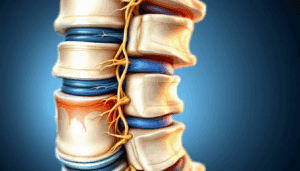
- Spinal stenosis is a condition characterized by the narrowing of the spaces within the spine, where these spaces become narrow and can lead to various health issues by putting pressure on the spinal cord and nerves.
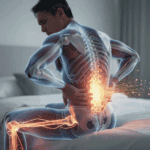
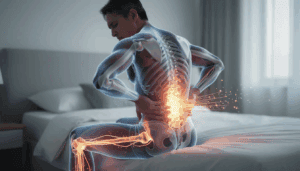
- This compression can lead to symptoms such as pain, numbness, and weakness in the back, legs, and other parts of the body.
- Spinal stenosis most commonly occurs in the neck (cervical spinal stenosis) and lower back (lumbar spinal stenosis) regions.
Spinal stenosis can impact the nervous system by compressing the spinal cord and nerve roots, which are essential for transmitting signals throughout the body.
Causes and Risk Factors
- Spinal stenosis can be caused by several factors, including aging, herniated discs, bone spurs, trauma, and genetic conditions.
- Degenerative changes, such as osteoarthritis and rheumatoid arthritis, can also contribute to spinal stenosis. A significant majority of spinal stenosis cases are due to age-related degenerative changes.
- Other risk factors include obesity, smoking, and a family history of spinal stenosis.
- In addition to these, other causes of spinal stenosis may include congenital spinal defects, tumors, or infections, which can also contribute to the development of symptoms.
Symptoms and Impact
Spinal stenosis can significantly impact the body, leading to pain, numbness, and mobility issues due to the compression of the spinal cord and nerves. Neck pain can also occur with cervical spine stenosis, often alongside other symptoms. Leg symptoms such as numbness, tingling, or weakness are common indicators of spinal stenosis and can be severe. Many people with spinal stenosis do not experience any symptoms initially, with symptoms potentially coming and going.
You may notice the following symptoms associated with spinal stenosis: numbness, tingling, or weakness in the legs, difficulty walking, and problems with balance. In severe cases, spinal stenosis can lead to cauda equina syndrome, a condition characterized by compression of the nerves in the lower back.
The Role of the Spinal Cord
- The spinal cord is a thin, fluid-filled structure within the vertebral column that sends and receives signals from the entire body.
- These signals control various bodily functions, including movement, sensation, and bladder and bowel function.
- Damage to the spinal cord can disrupt these signals, leading to problems with bladder and bowel function. Spinal stenosis can impair bladder function by disrupting the nerve pathways responsible for controlling the bladder.
Diagnosing Spinal Stenosis
- Diagnosing spinal stenosis involves a thorough medical evaluation, including a detailed patient history, physical examination, and specialized tests to pinpoint the underlying cause of symptoms.
- It is important to consult a healthcare professional for an accurate diagnosis and to determine the best course of action.
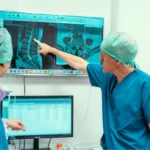
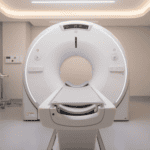
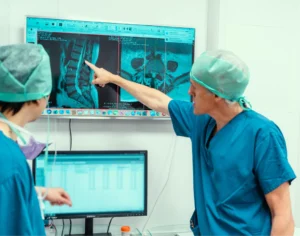
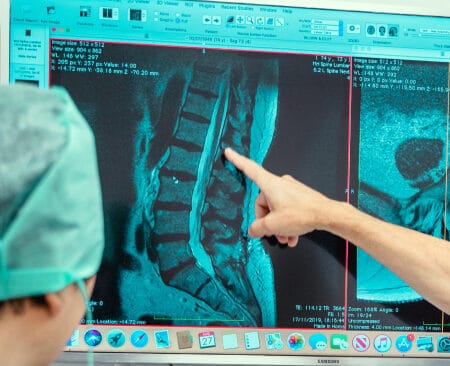
- Imaging tests, such as X-rays, CT scans, and MRI scans, can help visualize the spinal canal and identify areas of nerve compression. Acquired spinal stenosis is more common and usually occurs after the age of 50.
Treatment Options
- Management options for spinal stenosis include a range of treatment choices that can be tailored to individual symptoms, health status, and patient preferences, and can be supported by outstanding facilities at the Harley Street Hospital.
- Treatment options for spinal stenosis include pain management strategies, physical therapy, and surgery.
- Physical therapy can help relieve pain, improve mobility, and strengthen muscles.
- Surgery, such as spinal fusion, may be necessary in severe cases to relieve pressure on the spinal cord and nerves.
Managing Bladder Issues
Managing bladder issues associated with spinal stenosis requires a multifaceted approach tailored to address both the underlying nerve compression and the bladder dysfunction. In many cases, a combination of medical, behavioral, and sometimes surgical interventions may be required to effectively manage bladder issues related to spinal stenosis.
Treatment options may include intermittent catheterization, bowel irrigation, and medications to manage symptoms.
Quality of Life with Spinal Stenosis
- Spinal stenosis can significantly impact quality of life, leading to chronic pain, mobility issues, and bladder and bowel dysfunction.
- Early diagnosis and treatment can help improve symptoms and prevent long-term damage.
Lumbar Spinal Stenosis: Specific Considerations
Lumbar stenosis affects the lower back and can cause symptoms such as pain, numbness, and weakness in the legs. Symptoms may worsen with walking or standing and are often relieved by sitting or leaning forward.
Treatment options for lumbar stenosis may include physical therapy, pain management strategies, and surgery.
Cervical Spinal Stenosis: Specific Considerations
- Cervical spinal stenosis affects the neck and can cause symptoms such as pain, numbness, and weakness in the arms.
- Treatment options may include physical therapy, pain management strategies, and surgery.
The Risks of Leaving Spinal Stenosis Untreated
If spinal stenosis is left untreated, it can lead to a range of serious complications that significantly impact daily life. When spinal stenosis is not addressed, the narrowing of the spinal canal can cause permanent nerve damage, resulting in chronic pain, numbness, and weakness in the legs. In severe cases, untreated spinal stenosis can progress to cauda equina syndrome, a condition that causes irreversible damage to the nerves controlling bladder and bowel function.
The potential complications of untreated spinal stenosis include:
- Loss of Bladder and/or Bowel Control: Nerve compression can disrupt signals to the bladder and bowels, leading to incontinence.
- Permanent Weakness in Muscle Groups: Persistent nerve compression can cause lasting weakness in one or more muscle groups, affecting mobility.
- Sensory Loss in Limbs: Damage to the nerve roots can result in a permanent loss of sensation in affected limbs.
- Chronic Pain: Ongoing nerve compression can lead to unrelenting pain that significantly diminishes quality of life.
- Decreased Mobility and Independence: Severe cases can lead to reduced mobility, making daily activities challenging and reducing independence.
- Decreased Quality of Life: The cumulative effect of these symptoms can severely impact overall well-being.
Additionally, untreated spinal stenosis can lead to secondary conditions such as:
- Depression and Anxiety: Chronic pain and reduced mobility can contribute to mental health issues.
- Sleep Disturbances: Pain and discomfort can interfere with sleep, leading to fatigue and other health problems.
- Decreased Appetite and Weight Loss: Chronic pain and stress can affect appetite, leading to weight loss and nutritional deficiencies.
- Decreased Social Interaction and Isolation: Mobility issues and chronic pain can limit social activities, leading to isolation and loneliness.
It is crucial to seek medical attention if symptoms of spinal stenosis persist or worsen over time. Early diagnosis and treatment can help prevent these complications, improve symptoms, and enhance overall quality of life.
Finding the Right Healthcare Provider
- Finding the right healthcare provider is crucial for effective management and treatment of spinal stenosis.
- A healthcare provider with experience in treating spinal stenosis can help develop a personalized treatment plan.
Other Treatment Options for Spinal Stenosis
Other treatment options for spinal stenosis may include alternative therapies, such as acupuncture and chiropractic care. If standard therapies do not provide adequate relief, other treatments may be considered to address symptoms and improve quality of life. These therapies can help relieve pain and improve mobility.
Preventing Spinal Cord Injury
- Preventing spinal cord injury is crucial for maintaining quality of life.
- Taking steps to prevent injury, such as wearing protective gear and avoiding risky behaviors, can help reduce the risk of spinal cord injury.
The Importance of Early Treatment
- Early treatment is crucial for effective management and treatment of spinal stenosis.
- Delaying treatment can lead to long-term damage and worsening symptoms.
Understanding Bowel Symptoms from Spinal Stenosis
Spinal stenosis can also impact bowel function, leading to symptoms such as constipation or bowel incontinence. This occurs when nerve compression affects the signals that control bowel movements. Individuals may experience difficulty in controlling bowel movements, leading to embarrassment and a significant impact on their daily life. Up to 35% of individuals with spinal stenosis experience bladder or bowel dysfunction.
Worsening Symptoms of Spinal Stenosis to Watch For
As spinal stenosis progresses, symptoms may worsen, leading to increased pain and decreased mobility. Pay attention to signs such as increased numbness, tingling, or weakness in the limbs, as well as any changes in bladder or bowel function. Urinary issues, such as difficulty urinating or loss of bladder control, can be a serious warning sign that requires immediate medical attention. These could indicate a need for immediate medical intervention to prevent further complications.
How Nerve Compression Leads to Bladder and Bowel Issues
The narrowing of the spinal canal can compress the nerve roots that control bladder and bowel function. This compression disrupts the normal signaling pathways, leading to urinary urgency, incontinence, or bowel dysfunction. The sacral nerves (S2-S4) control the bladder, and their compression can lead to loss of bladder sensation. Understanding this connection is vital for managing symptoms effectively and improving quality of life.
Lifestyle Changes to Manage Symptoms
Adopting lifestyle changes can play a significant role in managing symptoms of spinal stenosis. Maintaining a healthy weight, engaging in regular physical activity, and avoiding activities that exacerbate symptoms can help reduce pain and improve mobility. Additionally, incorporating stress-reducing practices such as yoga or meditation can enhance overall well-being.
Exploring Non-Surgical Treatments
For those seeking alternatives to surgery, non-surgical treatments such as physical therapy, medications, and injections can help manage pain and improve function. These treatments focus on reducing inflammation, relieving pain, and enhancing mobility, allowing individuals to maintain a more active and fulfilling lifestyle.
The Role of Physical Therapy in Spinal Stenosis Management
Physical therapy is a cornerstone of spinal stenosis treatment, offering exercises tailored to strengthen muscles, improve flexibility, and enhance overall mobility. A physical therapist can develop a personalized exercise plan to address specific symptoms, helping to alleviate pain and prevent further deterioration.
When to Consider Surgical Intervention
In cases where non-surgical treatments fail to provide adequate relief, surgical intervention may be necessary. Procedures such as spinal fusion or decompression surgery aim to relieve pressure on the spinal cord or nerves, addressing the underlying cause of symptoms and preventing further complications. Timing of surgery can significantly impact recovery and quality of life.
The Impact of Spinal Stenosis on Daily Life
Living with spinal stenosis can be challenging, affecting both physical and emotional well-being. The condition may limit daily activities, reduce independence, and impact social interactions. Many individuals with spinal stenosis can manage their symptoms well with the right advice and information. Understanding the full scope of its impact is essential for developing effective coping strategies and improving quality of life.
Emphasizing the Importance of a Support System
Having a strong support system is crucial for managing spinal stenosis. Family, friends, and support groups can provide emotional support, practical assistance, and valuable resources. Engaging with others who understand the challenges of living with spinal stenosis can foster a sense of community and empowerment.
Future Directions in Spinal Stenosis Research
Ongoing research continues to explore new treatment options and improve existing therapies for spinal stenosis. Advances in medical technology and a deeper understanding of the condition hold promise for more effective interventions and improved outcomes for individuals affected by spinal stenosis.