Is Co Codamol Good for Sciatica Pain Relief?

“As an experienced Consultant Spine Surgeon, I am often asked by patients who come to see me about the effectiveness of Co Codamol for sciatica pain relief. Sciatica, characterized by sharp, radiating pain, can be incredibly debilitating, and patients are understandably eager for effective solutions. In this article, i will explore into whether Co Codamol is a viable option for managing sciatica pain and the considerations to bear in mind before its use.” – Caspar Aylott, Spine Surgeon UK Spine Centre.
Key Takeaways
- Co Codamol combines paracetamol and codeine, providing effective relief for various pain types, including sciatica, especially when standard painkillers are insufficient.
- Sciatica, characterized by pain along the sciatic nerve, can range from acute to chronic, necessitating different management strategies for effective treatment.
- Long-term management of sciatica involves a combination of medication, physical activity, posture improvement, and alternative therapies, ensuring comprehensive pain relief and enhanced quality of life.
Understanding Co Codamol
Co Codamol is a combination medication used for pain relief. It brings together the analgesic and antipyretic properties of paracetamol with the opioid pain-relieving effects of codeine. This dual-action makes it a potent option for tackling various types of pain, including the often stubborn pain associated with sciatica.
Available both by prescription and over-the-counter, Co Codamol offers flexibility in how it can be accessed. Knowing how this medication works and its suitability helps in making informed decisions, whether the pain is mild or severe.
How Co Codamol Works
The effectiveness of Co Codamol lies in its two key ingredients: paracetamol and codeine. Paracetamol primarily works by reducing pain and fever, making it a staple in many households. On the other hand, codeine enhances pain relief by acting on the central nervous system, where it blocks pain signals through its action on pain receptors. This combination ensures that pain is managed from multiple angles, providing more comprehensive relief than either component alone.
When standard painkillers like ibuprofen fail to deliver the desired results, Co Codamol steps in as a stronger alternative. Co Codamol targets both the source of pain and its perception, offering significant relief for persistent pain conditions like sciatica.
Who Can Take Co Codamol
While Co Codamol is suitable for most adults who need effective pain relief, there are some important considerations to keep in mind. Children under 12 should not take Co Codamol due to the potential risks associated with codeine. Additionally, individuals with certain medical conditions should consult their doctor before starting this medication.
For anyone with specific health concerns or those on other medications, consulting a healthcare professional is crucial. This ensures that Co Codamol is used safely and effectively, minimizing the risk of adverse effects and interactions.
Sciatica: Causes and Symptoms
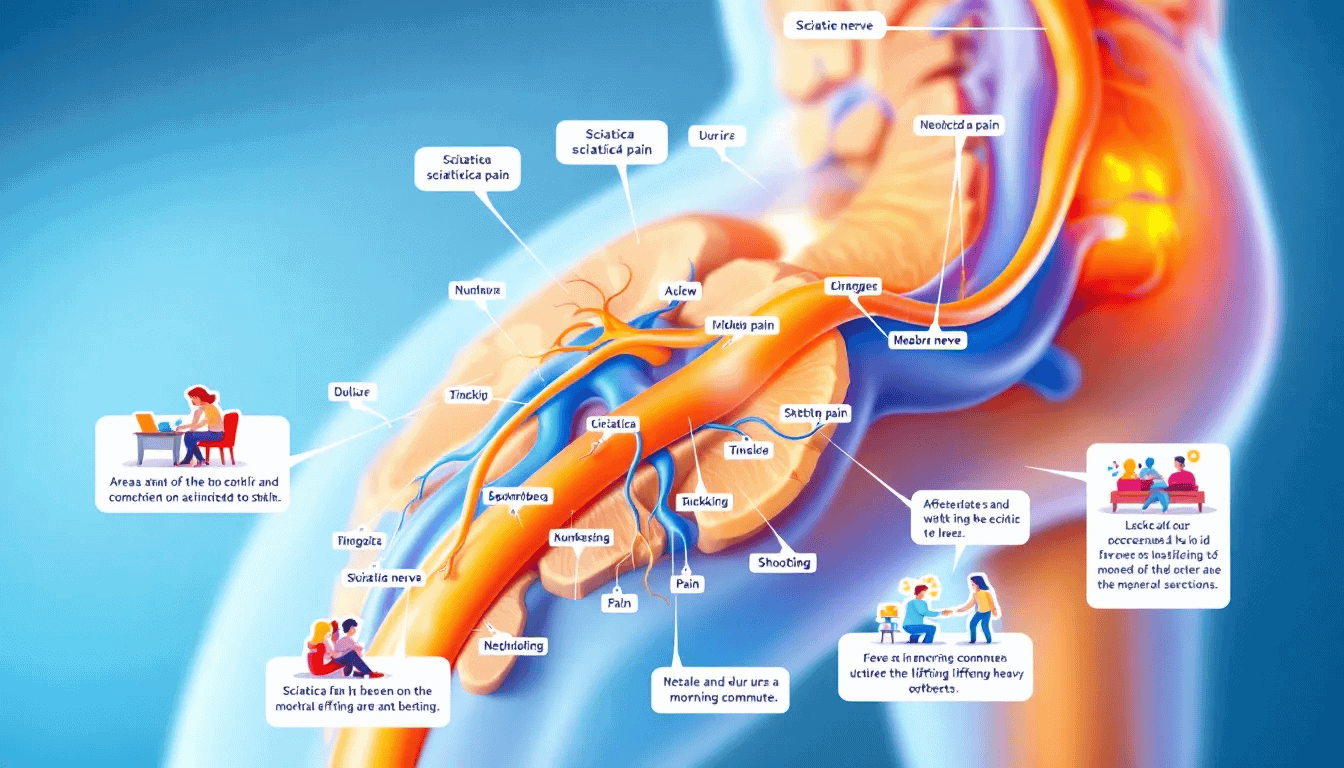
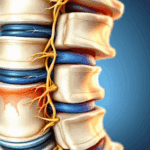
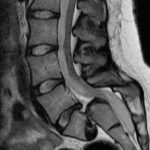
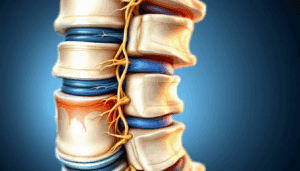
Sciatica is a condition characterized by pain that radiates along the path of the sciatic nerve, which extends from the lower back through the hips and down each leg. It’s often caused by a slipped or ruptured disc that compresses one of the spinal nerves, leading to nerve pain and the hallmark symptoms of sciatica: sharp pain, tingling sensations, and numbness in the back of one leg.
Sciatica can cause a range of pain levels. It may manifest as a mild ache or a severe burning sensation. The symptoms often worsen with prolonged sitting, coughing, or sneezing. Understanding the root causes and typical symptoms of sciatica is the first step in managing this painful condition effectively.
Acute vs. Chronic Sciatica
Sciatica can be classified as either acute low or chronic. Acute sciatica typically lasts for a few weeks and is often triggered by a sudden injury or strain. This form of sciatica can cause intense pain but is usually temporary.
Chronic sciatica, on the other hand, persists for months or even years and can result from long-term conditions like degenerative disc disease. The pain associated with chronic sciatica is often less intense but more persistent, making the pain worse a significant challenge for those affected.
Co Codamol for Sciatica Pain Relief

When it comes to managing sciatica pain, Co Codamol can be a valuable tool. This medication is particularly effective when standard painkillers like ibuprofen or aspirin have failed to provide adequate relief. The combination of paracetamol and codeine in Co Codamol targets both the pain and its perception, making it a robust option for those suffering from severe sciatica symptoms.
Available in different strengths, Co Codamol can be tailored to the severity of the pain. Lower doses can be purchased over-the-counter, while higher doses require a prescription. This flexibility allows for more personalized pain management strategies.
Dosage and Administration
The recommended dosage for Co Codamol varies depending on the strength of the tablets. Typically, the usual adult dosage is 1 or 2 tablets up to 4 times in 24 hours, but it’s important not to exceed 8 tablets in a single day. Co Codamol should be taken with water and preferably after food to minimize stomach upset.
Waiting at least 4 hours between doses helps avoid the risk of overdose. Additionally, Co Codamol should not be taken for more than 3 days without consulting a doctor. Informing your healthcare provider about all other medications you’re taking is essential to prevent harmful interactions.
Risks and Side Effects
Like any medication, Co Codamol comes with potential risks and side effects. Common adverse effects include sleepiness, nausea, and constipation. While these symptoms are generally mild, they can be bothersome for some users.
Long-term use of Co Codamol can lead to tolerance and an increased risk of addiction, particularly due to the codeine component. Prolonged usage can also result in hyperalgesia, a condition where the body becomes more sensitive to pain. Using this medication responsibly and with healthcare guidance is important.
Combining Co Codamol with Other Treatments

Combining Co Codamol with other treatments can enhance pain relief and address multiple aspects of sciatica. For instance, non-prescription pain relievers like ibuprofen can be taken alongside Co Codamol to reduce inflammation and provide additional pain relief. This combination can be particularly effective for managing severe pain episodes.
There are also various alternative treatments, such as herbal remedies and medical cannabis, which can complement the use of Co Codamol. These options provide a holistic approach to pain management, catering to different needs and preferences.
Safe Combinations
It is safe to combine Co Codamol with other medications like ibuprofen and aspirin. This combination can help manage different types of pain, providing a more comprehensive treatment approach. However, it’s essential to follow dosage guidelines carefully to avoid any adverse effects.
A healthcare provider can ensure safe and effective combination of treatments. This is particularly important for individuals with specific health conditions or those taking other medications.
Avoiding Harmful Interactions
While combining Co Codamol with certain medications can be beneficial, it’s crucial to avoid harmful interactions. Co Codamol should not be taken with other medications containing paracetamol, as this can lead to an overdose. Additionally, it can interfere with some medications, potentially reducing their effectiveness.
Always inform your doctor about all the medications you are currently taking, including herbal supplements and over-the-counter drugs. This helps prevent any negative interactions and ensures that your treatment plan is safe and effective.
Long-Term Management of Sciatica

Effective long-term management of sciatica involves more than just medication. Staying active through gentle movements and exercises can significantly alleviate pain by reducing nerve compression. Incorporating light exercises throughout the day can also improve sleep quality and overall well-being.
Regular gentle movement can prevent discomfort from prolonged stillness, making it a vital part of managing chronic sciatica. These lifestyle changes, combined with appropriate medical treatments, can improve the quality of life for those suffering from sciatica.
Exercise and Physical Therapy
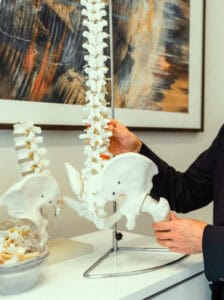
Engaging in regular physical activity is crucial for preventing sciatica and reducing pain if symptoms are present. Weight management and taking regular breaks from sitting can also help alleviate sciatica symptoms. Exercises like yoga, strength training, and aerobic workouts can enhance mobility and reduce pain.
Strengthening core muscles, including those in the back and pelvis, contributes to better spinal health and stability. Recommended exercise programs for managing low back pain with sciatica include a mix of biomechanical, aerobic, and mind-body approaches.
Maintaining Good Posture
Good posture is key to managing and preventing acute low back pain. Limiting prolonged sitting can alleviate pressure on spinal discs and ligaments, benefiting sciatica sufferers. Adjusting workstation ergonomics, such as monitor height, can help prevent slouching and support better posture.
Using an ergonomic chair can help maintain proper posture, reducing strain on the lower back during daily tasks. These adjustments can make a significant difference in managing sciatica pain.
Alternative Pain Relief Options
Exploring alternative pain relief options can offer additional ways to manage sciatica pain. Techniques like massage and osteopathy can help alleviate pain by improving body alignment and reducing pressure on the sciatic nerve. These non-surgical treatments can complement traditional medical approaches.
Other methods, such as heat and cold packs, can provide immediate relief by reducing inflammation and relaxing muscles. These home remedies are easy to use and can be integrated into daily routines to relieve pain effectively.
Heat and Cold Packs
Heat packs can help relax muscles and improve blood flow, which can reduce discomfort associated with sciatica. Cold packs, on the other hand, can diminish swelling and numb sharp pain, making them effective for acute pain management.
These methods are popular home remedies that can complement other sciatica treatments.
Massage and Osteopathy
Osteopathy focuses on improving body alignment and function through manual therapy, which can alleviate pressure on the sciatic nerve. Combining massage and osteopathy can lead to better pain management and potentially faster recovery from sciatica.
Massage therapy can also play a significant role in managing pain associated with sciatica.
Lifestyle and Home Remedies
Lifestyle adjustments and home remedies can significantly alleviate sciatica pain. Using a supportive mattress is crucial for alleviating back pain associated with sciatica. Pacing activities by balancing rest and activity can prevent exacerbation of sciatica pain.
These simple changes can make a substantial difference in managing sciatica and improving overall quality of life.
Sleeping Positions
Placing a pillow between your knees while sleeping on your side can provide relief for those with sciatica. Sleeping on your back with a pillow under your knees can help align the spine and reduce pressure on the sciatic nerve.
There is no universally perfect sleeping position for sciatica; comfort varies per individual.
Daily Activities
Using a walking aid can help maintain balance and comfort when limping due to back pain. Modifying daily activities is crucial for alleviating strain on the lower back and sciatic nerve.
These modifications can lead to reduced strain and improved symptoms for those who experience sciatic pain.
When to Consult a Doctor or spine specialist
While self-care measures and over-the-counter medications can often manage sciatica symptoms, there are times when professional medical advice is necessary. If you experience tingling sensations, numbness, or muscle weakness in your legs, it’s crucial to seek medical attention. These symptoms can indicate more serious nerve damage that requires prompt treatment.
Additionally, if your sciatica pain persists beyond a few weeks or worsens in intensity despite self-treatment, consulting a spinal consultant or healthcare provider is advisable. Early intervention can prevent further complications and help manage the condition more effectively.
Summary
Managing sciatica pain can be challenging, but understanding the various treatment options available can make a significant difference. Co Codamol, with its combination of paracetamol and codeine, offers a potent solution for those struggling with severe pain when standard painkillers prove ineffective. However, it’s essential to use this medication responsibly and under the guidance of a healthcare professional to avoid potential risks and side effects.
In addition to medication, incorporating lifestyle changes, physical therapy, and alternative treatments can provide comprehensive relief and improve your quality of life. By taking a holistic approach to managing sciatica, you can regain control and reduce the impact of this painful condition.
Frequently Asked Questions
What is Co Codamol used for?
Co Codamol is used for effective pain relief, as it combines paracetamol and codeine to address various types of pain, including conditions like sciatica.
Can children take Co Codamol?
Co Codamol is not suitable for children under 12 due to the associated risks of codeine. It is important to consult a healthcare professional for appropriate alternatives.
What are the common side effects of Co Codamol?
Common side effects of Co Codamol include sleepiness, nausea, and constipation. It is important to monitor for these effects, especially with long-term use, due to potential tolerance and addiction risks.
Can I combine Co Codamol with other painkillers?
You can combine Co Codamol with non-opioid painkillers such as ibuprofen or aspirin; however, it is crucial to avoid mixing it with other medications that contain paracetamol to prevent the risk of overdose.
When should I consult a doctor for sciatica pain?
You should consult a doctor for sciatica pain if your symptoms persist beyond a few weeks, worsen in intensity, or if you experience tingling, numbness, or muscle weakness in your legs. Seeking medical advice is crucial to ensure proper diagnosis and treatment.