Sciatica Pain Injection: Epidural Steroid Injections Guide

Overview Of Sciatica And Low Back Pain
A sciatica pain injection usually means an epidural steroid injection, which places anti-inflammatory medicine and a local anesthetic near the affected spinal nerve roots to reduce inflammation and relieve sciatica symptoms. If you have sciatica or low back pain and are considering an injection, this guide explains what the procedure is, how it works, who may be a candidate, what benefits and risks to weigh, and what to expect before, during, and after treatment.
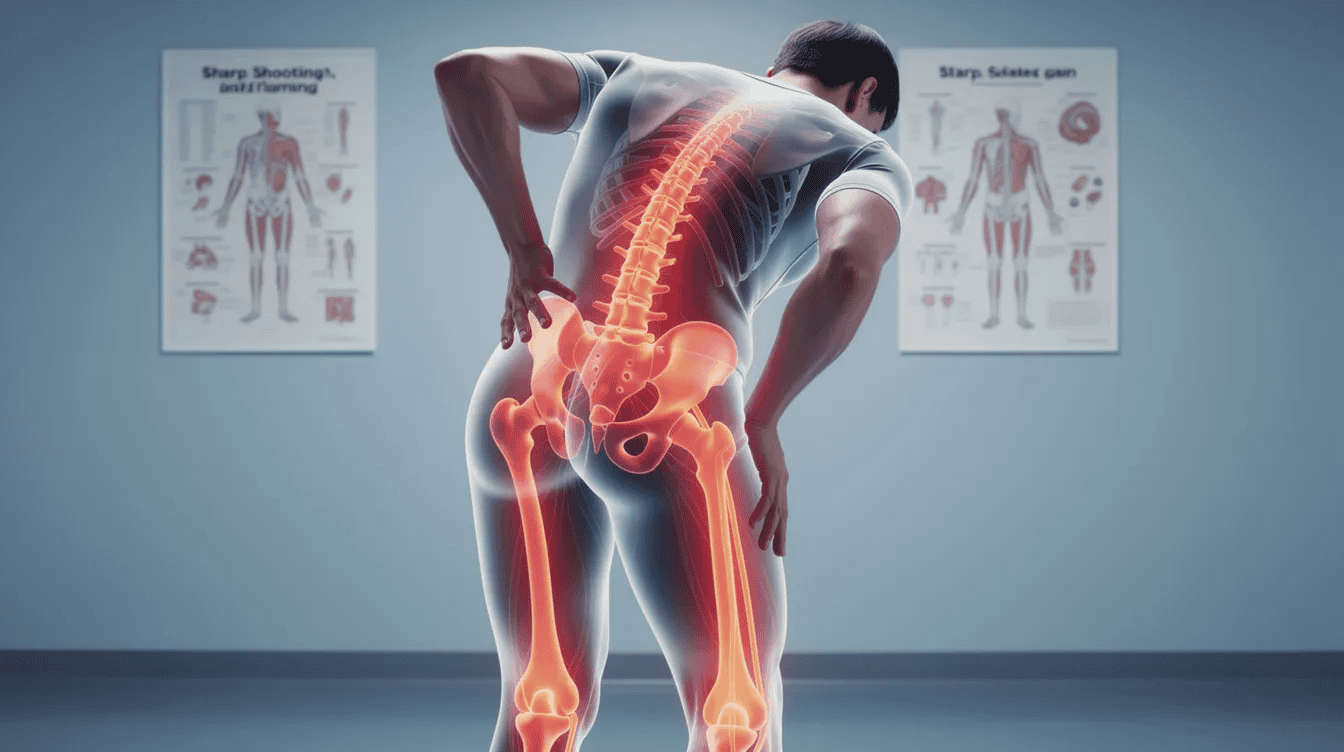
Sciatica is a symptom caused by irritation or compression of the sciatic nerve, not a diagnosis by itself. That irritation often starts in the lower back, commonly from a herniated disc or tight muscles, and may involve the spinal nerves, nerve roots, or another irritated nerve. Typical symptoms include low back pain with sharp, shooting, or burning leg pain and nerve pain that travels down the leg. Because persistent sciatica can limit movement, sleep, and daily function, understanding when injections help—and when they may not—is important. Finding the root cause matters when deciding whether injections are enough, since severe untreated cases can risk nerve injury or long-term nerve damage.
What Are Epidural Steroid Injections
How Epidural Steroid Injections Work
Epidural steroid injections serve a crucial role in managing sciatica pain by targeting inflammation directly at the source. The primary purpose of these injections is to deliver corticosteroids, which are potent anti-inflammatory agents, into the epidural space surrounding the spinal nerves. This targeted approach helps reduce swelling and irritation of the nerve roots that are causing pain, thereby alleviating symptoms, reducing pain, and improving function.
Role of Corticosteroids
The anti-inflammatory medication used in epidural injections works by suppressing the body’s inflammatory response around the affected nerves. Inflammation in this area can lead to significant pain, numbness, and weakness along the path of the sciatic nerve. By reducing this inflammation, the injection can help restore normal nerve function and ease nerve pain.
Importance of Local Anesthetic
In addition to corticosteroids, a local anesthetic is often included in the injection mixture. This anesthetic provides immediate but temporary pain relief by numbing the area around the nerve roots. While this does not address the underlying cause of sciatica, it can significantly improve comfort during the initial period following the injection, allowing patients to participate more effectively in rehabilitation activities such as physical therapy.
Importance of Rehabilitation
It is important to understand that epidural steroid injections are part of a comprehensive treatment plan. They are designed to reduce inflammation and pain to facilitate rehabilitation and improve mobility, rather than to cure the underlying condition causing nerve irritation. Patients are usually advised to combine injections with physical therapy and lifestyle modifications or other spine treatments to achieve the best long-term outcomes and determine the most appropriate of several treatment options.
Conditions Treated With Lumbar Epidural Injections
Lumbar epidural injections are commonly used for sciatica and nerve-root radiculopathy when symptoms come from irritation in the lower back. They may be recommended after rest, medication, and physical therapy have not provided enough relief for persistent back pain, especially for many patients with leg pain linked to an affected nerve root or a compressed nerve rather than isolated low back pain.
Common conditions treated include a herniated disc and spinal stenosis when they produce sciatic or radicular symptoms, often related to the ageing spine. Lumbar epidural steroid injections are often most helpful for acute radicular pain caused by herniated discs, although response can vary based on the underlying condition.
Epidural Injections Approaches
- Transforaminal Approach: Involves injecting medication directly into the area where the nerve root exits the spinal canal. This method targets the inflamed nerve root more precisely, often providing more focused pain relief for patients with radicular symptoms. The needle is guided through the foramen, the opening in the vertebrae, using fluoroscopy to ensure accurate placement at the injection site.
- Interlaminar Approach: Delivers the steroid medication into the epidural space between the laminae of the vertebrae. This traditional method allows the medication to spread over a broader area of the spinal canal, which can be beneficial for patients with inflammation affecting multiple nerve roots or more diffuse pain. Fluoroscopic guidance helps position the needle safely between the vertebral bones.
- Caudal Approach: Involves injecting medication into the epidural space through the sacral hiatus at the base of the spine. This technique is often used when other approaches are not feasible or when patients have had previous spine surgery. The caudal approach allows the medication to travel upward within the spinal canal to reach the affected nerve roots. It is typically performed under fluoroscopy to confirm the correct needle placement and distribution of the injection.
How The Epidural Injection Procedure Works
Pre-Procedure Evaluation
Before the procedure, a thorough evaluation is conducted, which includes reviewing your symptoms, previous imaging studies such as MRI or CT scans, and your medical history. This assessment helps the healthcare provider identify the root cause and determine if an epidural steroid injection is the most appropriate treatment option for your condition.
Procedure Duration and Setting
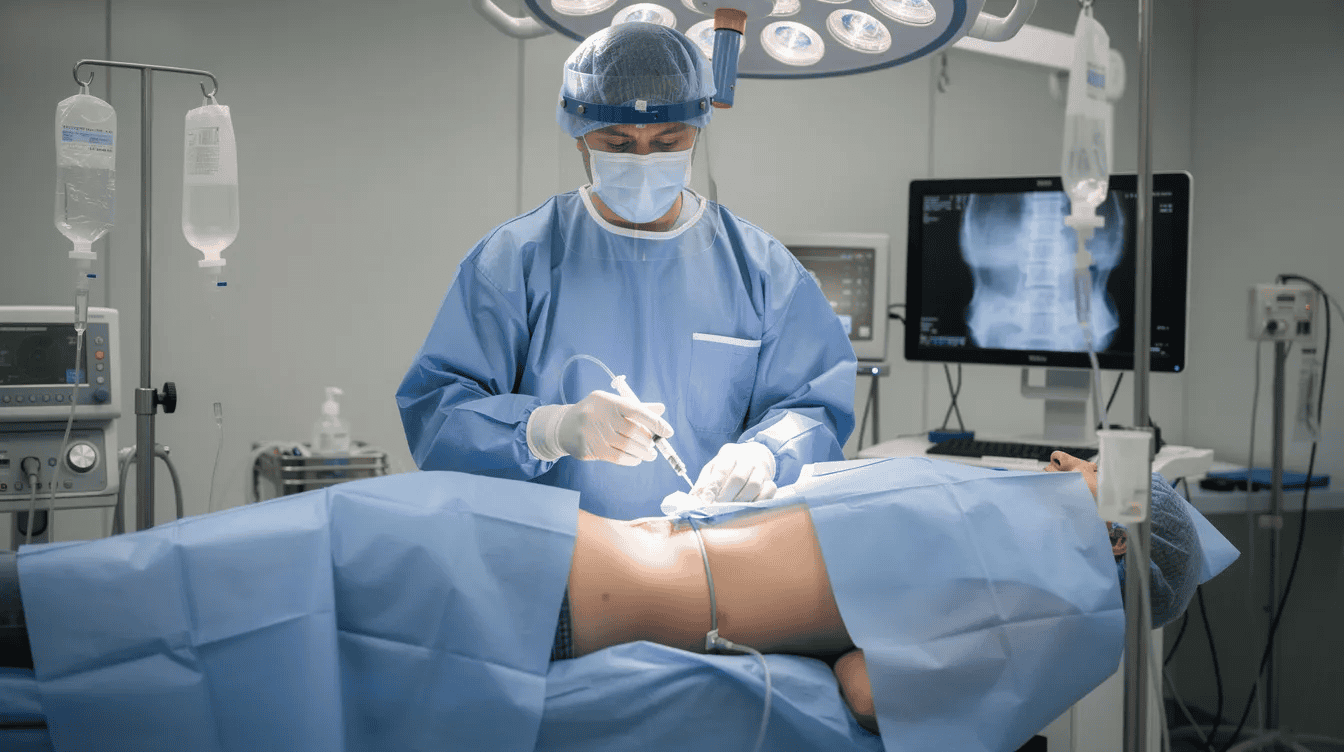
The injection procedure is minimally invasive and typically takes about 15 to 30 minutes. It is usually performed in an outpatient setting such as a clinic or hospital procedure room, allowing patients to return home the same day.
Imaging Guidance
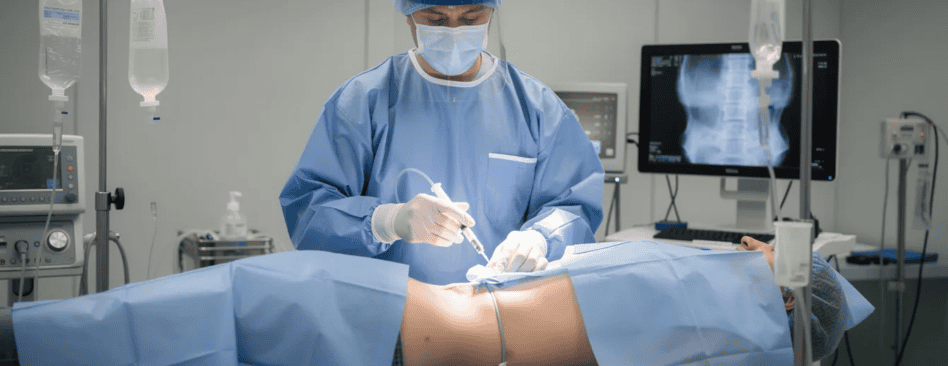
Imaging guidance, most commonly fluoroscopy (real-time X-ray), is used during the injection to ensure precise needle placement. This technique helps the physician accurately target the affected nerve roots while minimizing the risk of injury to surrounding tissues.
Patient Positioning and Skin Preparation
During the procedure, you will be positioned lying face down (prone) on the procedure table to provide optimal access to the lower back. The skin over the injection site is thoroughly cleaned with an antiseptic solution to reduce the risk of infection.
Local Anesthetic
A local anesthetic is injected to numb the skin and deeper tissues before the steroid injection. While this may cause a brief sting or burning sensation, it helps make the procedure more comfortable for the patient.
Fluoroscopy and Contrast Dye
Fluoroscopy is used to guide needle placement with real-time X-ray guidance, helping the doctor steer the needle tip toward the epidural space near the affected nerve root while avoiding nearby structures such as the spinal cord. A contrast dye is then injected to confirm that the medication will be delivered to the correct location before the steroid is given.
Steroid Injection Delivery Process
During the injection, a corticosteroid medication is typically mixed with a local anesthetic to provide both immediate and longer-lasting relief. The local anesthetic offers quick numbing of the area, helping to reduce pain during and shortly after the procedure. The corticosteroid works to reduce inflammation around the irritated nerve roots, which can help alleviate pain and improve mobility over time. The injection is administered slowly and carefully, allowing the physician to monitor your response and minimize discomfort. This slow delivery also helps ensure the medication spreads evenly within the epidural space for maximum effectiveness.
What Injections May Feel Like
Most patients report feeling a sensation of pressure or mild discomfort rather than sharp pain during the injection. This pressure is due to the volume of medication being introduced into the epidural space. The use of a local anesthetic beforehand helps make the procedure more tolerable. Some patients may experience a temporary increase in soreness or pain in the hours or days following the injection, often described as a mild flare-up. These effects are typically short-lived and resolve without additional treatment. It is important to follow your provider’s post-procedure instructions to help manage any temporary discomfort.
Benefits: How You May Feel Relief
Many patients notice immediate numbness or tingling caused by the local anesthetic shortly after the injection, which can provide quick but temporary relief. The corticosteroid’s anti-inflammatory effects usually begin to reduce pain within a few days to a few weeks, though some patients may experience improvement sooner. Studies show that 70% to 90% of patients experience significant relief from epidural steroid injections, making them a valuable treatment option for sciatica pain. The duration of relief varies widely among individuals; some may enjoy pain reduction for a few months, while others may find relief lasting longer. Reducing pain can improve mobility, support participation in physical therapy, and enhance quality of life.
Evidence And Effectiveness For Back Pain
Research supports the moderate effectiveness of epidural steroid injections for relieving leg pain caused by sciatica. Approximately 40% to 80% of patients achieve at least 50% reduction in pain after receiving these injections. However, long-term effectiveness remains less consistent, with some patients experiencing only temporary relief lasting from one week up to one year. The success of the injection can depend on factors such as the underlying cause of sciatica, including conditions like degenerative disc disease or herniated discs, and the duration of symptoms. Injections tend to be more effective for acute radicular pain than for chronic symptoms persisting for long periods. Combining epidural steroid injections with a comprehensive rehabilitation plan, including physical therapy and oral medications, and considering specialist-led spine injections, often yields the best outcomes.
Risks And When Injections May Be Contraindicated
While epidural steroid injections are generally safe and considered a minimally invasive procedure, there are potential side effects and risks. Common mild side effects include temporary numbness, increased pain at the injection site, headache, or dizziness, which usually resolve within a few days. Rare but more serious complications can include dural puncture (a leak of spinal fluid), nerve injury, infection, or bleeding. To minimize risks, the procedure is performed under fluoroscopic guidance to ensure accurate needle placement. Certain medical conditions such as active infections, bleeding disorders, or uncontrolled diabetes may contraindicate receiving an epidural steroid injection. Your healthcare provider will carefully evaluate your medical history and current health status to determine if this treatment is appropriate.
Who Is A Candidate For An Epidural Injection
Ideal candidates for epidural steroid injections are patients experiencing sciatica symptoms characterized primarily by leg pain due to irritation or compression of a spinal nerve root. Patients with degenerative disc disease or herniated discs causing nerve inflammation often benefit most. Those with isolated low back pain without nerve involvement may have less favorable responses. The duration of symptoms also influences outcomes; injections are generally more effective when administered within a few months of symptom onset rather than after long periods of chronic pain. Prior to treatment, imaging studies such as MRI or CT scans are reviewed to identify the underlying cause and guide injection planning. Candidacy also depends on whether injections fit within the patient’s broader treatment options. Consultation with a pain specialist or spine surgeons is recommended when surgical evaluation may be needed to ensure the injection is the best option and to discuss potential alternatives, including lumbar microdiscectomy for herniated discs if necessary.
Before, During, And After: Patient Instructions
Before your epidural steroid injection, you may be advised to fast or adjust certain medications, especially blood thinners, to reduce bleeding risks. On the day of the procedure, bring any relevant medical records and arrange for a driver, as you will not be able to drive immediately afterward. During the injection, you will lie face down, and the area will be cleaned and numbed with a local anesthetic. After the procedure, rest for the remainder of the day and avoid strenuous activities for a short period as directed by your provider. Following post-procedure instructions carefully can help optimize recovery and minimize side effects.
Frequently Asked Questions
- How soon will I feel relief?
Many patients notice immediate numbing from the local anesthetic, with corticosteroid effects developing over days to weeks. The onset of significant pain relief varies; some patients experience improvement within a few days, while others may take up to two weeks to feel the full benefits. It is important to understand that the effects typically resolve gradually, and not everyone experiences lasting relief after a single injection. - How many injections can I have per year?
Typically, up to three epidural steroid injections may be administered within a 12-month period, depending on individual response and clinical judgment. This limit helps reduce potential side effects from corticosteroids and ensures that injections are used judiciously as part of a comprehensive treatment plan. Your healthcare provider will evaluate your progress and decide if additional injections or other treatments are necessary for long term improvement. - Is the epidural injection painful?
Most patients experience only mild discomfort or pressure during the injection, which is usually well tolerated due to local anesthesia. Patients tolerate the procedure well overall, with the main sensations being a brief sting from the local anesthetic and pressure as the medication is injected into the epidural space. Any discomfort is typically short-lived, and effects such as soreness or a mild flare-up of symptoms after the injection usually resolve within a few days. - What are the risks or side effects?
Common side effects include temporary increased pain, headache, or dizziness, which generally improve quickly. Although rare, serious complications such as infection, nerve injury, or bleeding can occur. Your provider will discuss these risks with you and take precautions to minimize them. - Can epidural steroid injections improve function?
Yes, by reducing inflammation and pain, these injections often lead to improved function, allowing patients to better engage in physical therapy and daily life activities. This improved function can be a key factor in achieving long term improvement and recovery. - Are epidural steroid injections effective for chronic low back pain?
Epidural corticosteroid injections tend to be more effective for radicular leg pain caused by nerve root irritation than for isolated chronic low back pain without nerve involvement. Other treatments may be needed to address chronic low back pain comprehensively. - What other treatments should be considered alongside epidural injections?
Epidural steroid injections are often part of a broader treatment strategy that includes physical therapy, medications, lifestyle modifications, and sometimes surgical options. Combining these treatments can enhance outcomes and provide more sustained relief. - Can epidural steroid injections help with neurogenic claudication?
While primarily used for radicular pain, epidural injections may provide some relief for neurogenic claudication symptoms caused by spinal stenosis, though the response can vary among patients.
Scheduling Lumbar Epidural Injections And Follow-Up
To schedule a lumbar epidural steroid injection, book an appointment at the UK Spine Centre. We will review your medical history, perform an examination, and evaluate imaging studies to determine if you are a suitable candidate. If you prefer remote access to care, you can also arrange a video consultation with a spine specialist at the UK Spine Centre. Insurance pre-authorization may be required, so check with your provider and insurer. On the day of the procedure, arrange for transportation home as you will not be able to drive. Follow-up appointments are important to assess your response to the injection and decide whether further nonoperative care, including physical therapy or additional injections if needed, is enough or whether referral to spine surgeons is appropriate to address the root cause.