Specialists in Back Pain: Choosing the Right Expert in London

If you’re living with back pain that won’t settle, choosing the right specialist could be the most important decision you make. Here’s what I want you to know about finding expert help that actually works.
Key Takeaways
- Not all specialists in back pain are the same. Patients should look for proven expertise, outstanding outcomes, and clear communication rather than simply accepting the first referral offered.
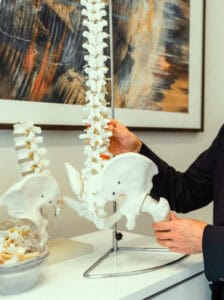
- As a dual-qualified engineer and spinal surgeon based on Harley Street, I use both engineering principles and medical experience to accurately diagnose and treat back problems with precision.
- Most patients do not require surgery. Careful assessment, accurate diagnostic tests, and targeted pain treatment often deliver excellent results without a single incision.
- I have been privileged to perform thousands of successful treatments, evidenced by hundreds of verified 5-star and positive reviews from patients reflecting real, lasting changes to mobility, sleep, and quality of life.
- At the UK Spine Centre, patients can access consultation, imaging, pain medicine, minimally invasive spinal surgery, and rehabilitation under one roof, with or without private medical insurance.
Understanding Back Pain and When to See a Specialist
Back pain is one of the most common health issues in the UK, affecting up to 80% of adults at some point. The good news is that most episodes of simple back strain settle within a few weeks with gentle movement and basic care. However, when pain persists beyond six weeks, disturbs your sleep, or stops you doing everyday tasks, it’s time to see a back pain specialist. A primary care physician or your GP is the recommended first point of contact, and a GP referral can set you on the right path when you are dealing with persistent or complex back pain. Healthcare professionals will typically assess your back pain based on duration and accompanying symptoms.
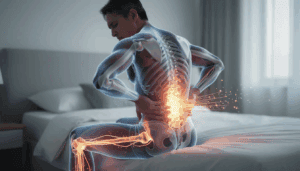
There is an important difference between a dull ache from a strained muscle and more serious symptoms. Lower back pain that radiates as leg pain or sciatica along the sciatic nerve, numbness, weakness in the leg, or changes in bladder or bowel control all need prompt attention. Some back pain symptoms require immediate medical attention, particularly those suggesting cauda equina syndrome.
Common causes of back pain include:
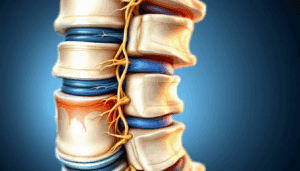
- Degenerative disc disease (about 45% of back pain is linked to disc degeneration)
- Wear and tear in the spinal joints
- Slipped discs pressing on nerves
- Spinal stenosis
- Scoliosis
- Sports injuries
- Poor posture
- Work-related strain
- Chronic back pain from degenerative conditions like arthritis
- Herniated cervical disc causing pain by pressing on nerves in the neck and spine
- Pregnancy-related lower back pain due to increased weight
Chronic back pain accounts for 11% of disability cases in the UK, and lower back pain accounts for the same proportion, making early diagnosis genuinely important.
If you experience severe red flag symptoms such as sudden loss of bladder control, profound leg weakness, or pain after trauma like a major fall, please seek urgent same-day assessment. Don’t wait and see. Early, accurate diagnosis almost always means simpler, less invasive back pain treatment and a faster return to normal life.
Why Choosing the Right Back Pain Specialist Matters
Outcomes in spinal care vary enormously depending on who treats you. Spinal surgery and spinal injections require judgement built on years of experience and careful, engineering-style thinking about how your spine works as a whole structure. Back pain specialists include orthopaedic surgeons and neurosurgeons, and structural issues may require evaluation by an orthopedic surgeon or neurosurgeon. Orthopaedic specialists diagnose and treat structural issues of the spine, while neurologists diagnose and manage disorders affecting the spine and nerves. Chiropractors focus on musculoskeletal disorders affecting the spine, and rheumatologists address back pain caused by autoimmune and inflammatory conditions. Back pain specialists assess the impact of pain on quality of life, looking well beyond the scan.
What should you look for? Large case numbers, a proven track record of successful outcomes, transparent discussion of risks and benefits, and a willingness to explore conservative treatment options before suggesting surgery. A personalised treatment plan that considers your lifestyle, work, sport, family needs, and long-term spinal health is far superior to a one-size-fits-all approach at a generic pain clinic.
The wrong decision – for example, unnecessary or overly aggressive surgery – can lead to long recovery times, ongoing chronic pain, and avoidable complications. The right decision, guided by experience and careful assessment, often means quick, lasting relief. As Lead Consultant Spine Surgeon at the UK Spine Centre in Harley Street, my role is to guide patients through these choices with honest, evidence-based advice, not to push an operation.

My Background: Engineer and Spine Surgeon Working Together
My name is Caspar Aylott, and I bring something unusual to spinal care: I am both a qualified engineer and a surgeon. I use both disciplines every day in clinic and in theatre. Engineering training taught me to think about load, stress, alignment, and movement through the spine. This means I can often identify exactly which disc, joint, or nerve in the lumbar region is causing symptoms, rather than relying on guesswork.
Over more than two decades I have treated thousands of patients with conditions ranging from simple back strain to complex cases including spinal deformity, degenerative disc disease, sciatica, and spinal stenosis, many of which are reflected in our patient stories of complex spinal problems. Many back pain specialists have over 20 years of experience, and that depth of practice is what allows me to find patterns and solutions others may overlook.
This combination has led to hundreds of 5-star and highly positive reviews from patients whose mobility, sleep, and confidence have returned after treatment. Because I understand the mechanics of the spine as an engineer and the biology as a doctor, I can often recommend simpler, minimally invasive solutions where others might suggest a large fusion surgery, helping patients recover faster and keep more of their natural spine movement.
What to Expect at the UK Spine Centre on Harley Street
The UK Spine Centre is a specialist Harley Street clinic where everything you need for spinal care – assessment, diagnostic tests, pain medicine, minimally invasive spinal surgery, and rehabilitation – is available under one roof, supported by advanced hospital facilities and on-site imaging. Spinal specialists can provide tailored treatment plans for back pain, and that is exactly what we do.
Patients can usually get fast access to an appointment within days. Urgent symptoms like severe lower back pain with leg weakness are often seen within 24–48 hours. We offer flexible appointments for busy professionals, parents, and older patients.
Your first consultation involves a detailed discussion of your symptoms, medical history, work, hobbies, and any previous treatment. This is followed by a thorough physical examination looking at movement, nerves, posture, and pain triggers. I take time to listen and to explain what I find.
We welcome patients with or without private medical insurance. The team helps check your cover and explains self-pay options in plain language before any tests or procedures. Throughout your journey, you will see the same lead back pain specialist – me – with excellent communication back to your doctor, physiotherapist, or other clinicians to keep care joined-up and efficient care guaranteed.
Accurate Diagnosis: Imaging and Tests for Back Pain
Successful back pain treatment depends on knowing exactly which structure is causing your symptoms. Diagnosis always starts with a physical examination for back pain, but further investigations are often needed to build the full picture.
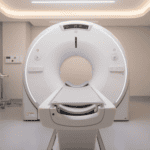
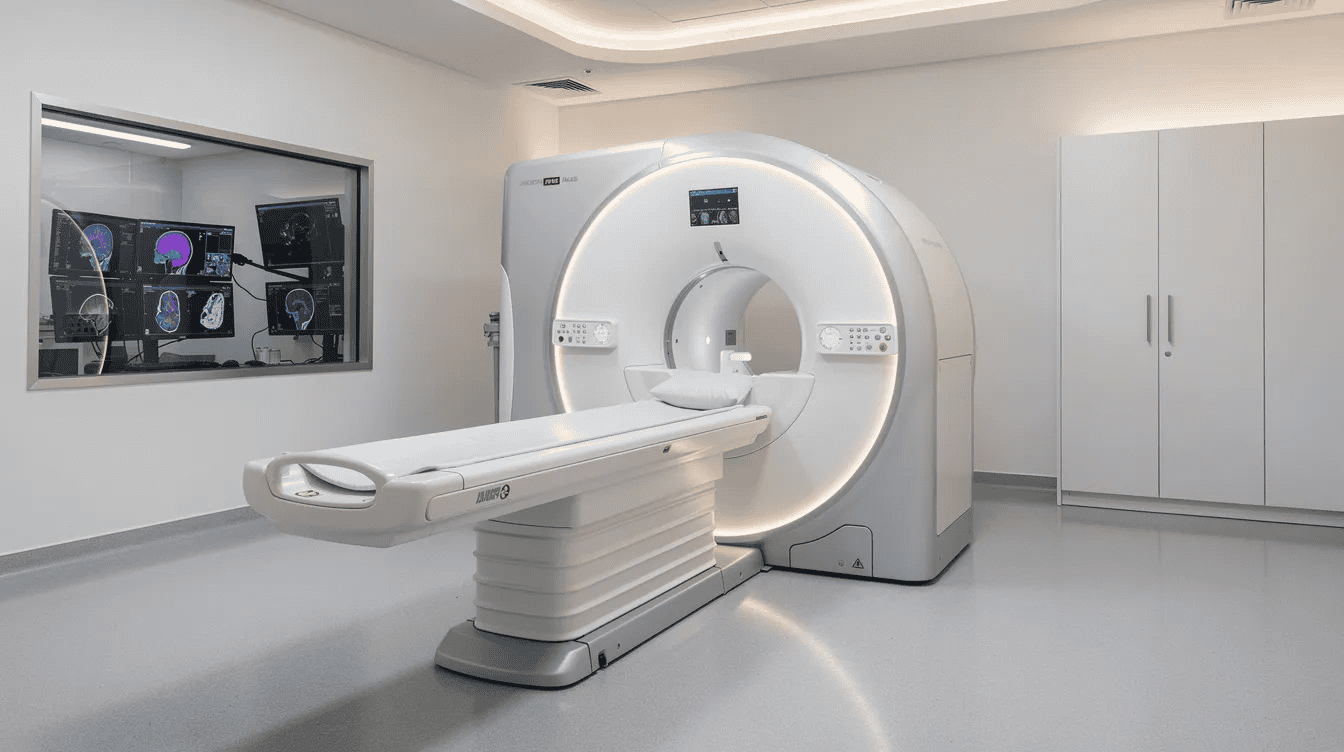
The three main types of imaging I use most often are MRI scans, X-rays, and CT scans. An MRI scan is the gold standard: MRI scans show soft tissue, discs, and nerve impingement with remarkable clarity, and consultants may recommend MRI scans when symptoms persist or are complex. An x ray helps assess alignment and degenerative disc disease. CT scans provide 3D views of bony anatomy in back pain diagnosis, which is especially useful for complex bone detail. Bone scans can help identify underlying conditions causing back pain, and nerve tests are added when there are signs of nerve damage.
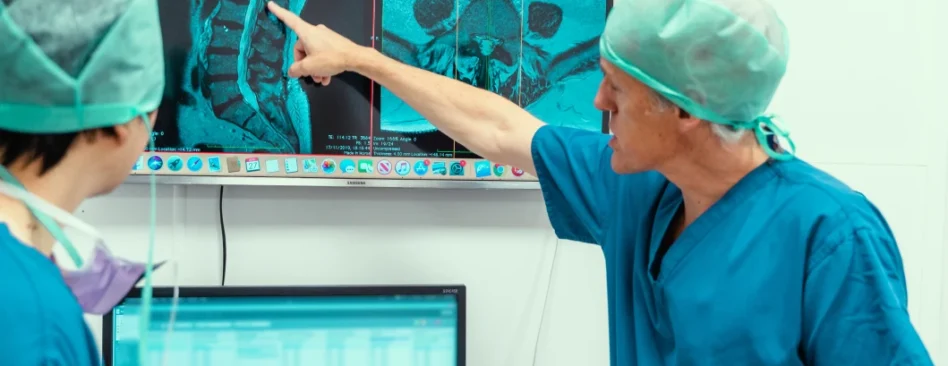
As an engineer and surgeon, I interpret these images in the context of how forces travel through the spine. This often means picking up subtle details – minor instabilities, hidden compression around the spinal cord, or dynamic narrowing of nerves – that might be missed by someone without that dual perspective. We avoid unnecessary tests. Each diagnostic test is chosen with a clear purpose, discussed with you in advance, and results are turned around quickly so you are not left waiting in pain or uncertainty.
Non-Surgical Back Pain Treatment and Pain Medicine Options
Here is something I tell every patient: more than 9 out of 10 people I see improve without needing major surgery. In most cases, targeted non-surgical care and modern pain medicine are all that is needed for effective treatment.
Physiotherapy and Exercise-Based Therapy
Common treatments for back pain include physical therapy and exercise-based therapy. Physiotherapy is often the first treatment for non-specific back pain, and physiotherapy can relieve soft tissue injuries and muscle tension.
Benefits of physiotherapy include:
- Guidance on exercises for back pain management
- Relief of soft tissue injuries and muscle tension
- Improved strength over time through regular practice of physiotherapy exercises
- Management of chronic back pain when combined with core muscle strengthening
- Postural correction and ergonomic advice for desk work
Pain Medicine and Physiatry
For pain management, I use carefully chosen pain medicine and physiatry approaches:
Pain management options include:
- Anti-inflammatory tablets
- Muscle relaxation where needed
- Short courses of nerve-targeting medicines for sciatica and nerve pain
- Expertise from physiatrists specializing in non-surgical management of pain and functional restoration
- Acupuncture, which can improve pain levels for some back pain patients and may form part of a broader treatment plan
Spinal Injections
Spinal injections are another powerful tool.
Types and benefits of spinal injections:
- Facet joint injections and guided steroid injections to treat inflamed joints or irritated nerves with precision
- Steroid injections can relieve back pain for six to eight months
- Performed under imaging for accuracy and comfort
- Often help diagnose the exact pain source as well as provide relief
Each personalised treatment plan combines treatment at our pain clinic with home exercises and clear education, so you understand what is happening inside your back and how to protect it going forward. Pain specialists within the team ensure that if pain continues, we adjust and refine the approach.
Minimally Invasive Spinal Surgery: When It’s Needed and How It Helps
Surgery is always a last resort. It is considered only after non-surgical treatments fail and symptoms persist. But when pain is severe, lasting, and clearly linked to a treatable problem on scans, modern minimally invasive spinal surgery can be genuinely life-changing.
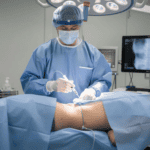
What does this involve? Smaller cuts, less damage to core muscles and soft tissue, less blood loss, and faster recovery. Many patients go home the same day or after one night. Procedures I perform this way include removing slipped discs causing sciatica, opening up narrowed spaces around nerves in spinal stenosis, and targeted decompression for degenerative disc disease.
My engineering training shapes every surgical decision – from choosing the most stable implants to aligning the spine so forces are shared safely between discs and joints, reducing wear and the risk of future back problems. This is where the dual qualification makes a real, measurable difference to the best possible outcome.
All treatment options, including doing nothing, are discussed openly. Patients are never rushed into surgery. I share likely benefits, risks, and realistic recovery timelines in clear language. If you need time, a second opinion, or simply want to talk through your diagnosis again, that is always welcome.
Insurance, Self-Pay, and Practicalities of Private Back Pain Care
Many patients are unsure how private spine care works. The team at the UK Spine Centre helps you navigate private medical insurance or self-funding step by step. Patients with insurance can typically access consultations, diagnostic tests, injections, and surgery with our admin team checking authorisation before proceeding.
For self-pay patients, we provide clear, upfront pricing for consultation, imaging, pain clinic procedures, and surgery – no hidden extras. Investing in early, accurate treatment often reduces time off work, ongoing pain medicine costs, and the risk of expensive future interventions. Many patients view it as a long-term investment in health and independence. Financial discussions are always handled sensitively and separately from clinical decisions.
Long-Term Results, Patient Stories, and How to Get Started
Patient Success Stories
The true measure of a back pain specialist is long-term results: patients sleeping through the night, walking freely, returning to work and sport, and needing less treatment over time. I have been privileged to care for thousands of patients whose 5-star reviews describe not just pain relief, but restored confidence and a return to the life they love.
Consider three different paths I see regularly:
- One patient with persistent lower back pain finds complete relief through targeted physiotherapy and facet joint injections, returning to gardening within weeks.
- Another, suffering severe sciatica with leg numbness, undergoes minimally invasive spinal surgery and is back at work within a fortnight.
- A third manages their chronic back pain successfully with lifestyle changes, gentle exercise, and careful pain medicine alone – no surgery, no injections, just the right guidance.
Booking Your Consultation
To get started, you can book an initial consultation on Harley Street, arrange a remote video review if travelling is difficult, or send previous scans for an opinion on complex or long-standing back problems. You do not need to live with ongoing back pain when effective, carefully planned help from an experienced, engineering-minded back pain specialist is available. Reach out, and let’s get you moving again.

Frequently Asked Questions
These are practical questions patients ask me in clinic every week. I’ve answered them here as I would face to face – honestly and without jargon.
How quickly can I be seen for back pain in Harley Street?
Most patients can be offered an appointment within a few days. Urgent cases – such as severe lower back pain with leg symptoms or suspected injury to the spinal cord – are often seen within 24–48 hours. Remote video consultations are available if travel is difficult, with in-person physical examination arranged when needed and clear travel and location information for the Harley Street clinic provided in advance. All imaging and diagnostic tests can usually be organised promptly in central London, reducing waiting and uncertainty.
Do I always need an MRI scan for back pain?
Not everyone needs an MRI. Many simple strains improve with rest, movement, and basic treatment within a few weeks and can be managed without scans. An MRI is helpful when pain persists, when there is leg pain like sciatica, weakness, or when surgery or injections are being considered. I decide on scans based on your individual story and examination, always discussing why a test is or is not recommended.
Will you recommend surgery straight away?
Never. Surgery is not the automatic first choice. More than 90% of my patients improve without major surgery. We start with simple measures, physiotherapy, pain medicine, and targeted injections when appropriate. We only move to minimally invasive spinal surgery if these do not provide sufficient relief and scans show a clear target. You will always have time to consider options, ask questions, and seek a second opinion if you wish.
Can I be treated if I don’t have private medical insurance?
Yes. Many of my patients are self-funding. We provide clear, transparent prices for consultations, scans, injections, and surgery. The team can discuss payment options, and clinical advice is exactly the same whether or not you have insurance cover.
What can I do now to help my back before I see you?
Gentle movement is better than complete rest. Short walks and avoiding heavy lifting or twisting are sensible until you are assessed. Simple over-the-counter pain relief within normal dosage guidelines, and heat or ice packs as tolerated, can help. Avoid any exercise that sharply worsens symptoms or causes new leg numbness. Note what makes your pain better or worse and bring this information, along with any previous scans or letters, to your first appointment.