Sciatica Without Back Pain: Causes, Diagnosis and Treatment

Yes—sciatica without back pain is possible, and I often see patients with severe sciatic leg symptoms despite a perfectly comfortable lower back. Most people who walk into my clinic expect sciatica to always involve back pain, so the absence of it can be confusing and can delay the right diagnosis and treatment.
As a Consultant Spine Surgeon at the UK Spine Centre, I regularly assess patients with disabling leg pain who are trying to work out whether sciatica is the cause, as well as clinicians who want to understand this less obvious presentation. This article explains why it happens, how sciatica without back pain is diagnosed, which symptoms need urgent assessment, and the main treatment options—from exercises and pain relief to injections or surgery—along with what to expect in the long term and how to reduce the chance of it coming back.
Key Takeaways
- It is possible to experience sciatica symptoms without back pain. Sciatica equals leg pain along the sciatic nerve, and many patients I see have severe symptoms in one leg despite minimal lower back discomfort.
- Common causes of sciatica include herniated discs and spinal stenosis in the lumbar spine, but also piriformis syndrome, hip or sacroiliac joint problems, vascular disease, diabetes, endometriosis, and rare conditions such as tumours or cauda equina syndrome.
- Red-flag sciatica symptoms – new foot weakness, loss of bladder or bowel control, saddle numbness, unrelenting night pain, or unexplained weight loss – require urgent same-day assessment.
- Most people with sciatica without back pain improve with targeted exercises, medication, injections, and lifestyle changes, but persistent or severe sciatica leg pain should be assessed by a spinal specialist.
What Is Sciatica and the Sciatic Nerve – And Can You Have It Without Back Pain?
Sciatica describes pain, tingling, burning pain, or numbness along the path of the sciatic nerve. This runs from the buttocks, down the back of the leg, through the calf, and sometimes into the foot. It is caused by irritation of one or more nerve roots in the lower spine – typically at L4, L5, or S1.
Classic symptoms of sciatica usually involve leg pain that is pain worse than any back discomfort. In a significant minority, there may be almost no back pain at all. Pain can vary from mild to sharp and burning, and symptoms can start suddenly or develop slowly over time. This often confuses patients and non-specialists alike.
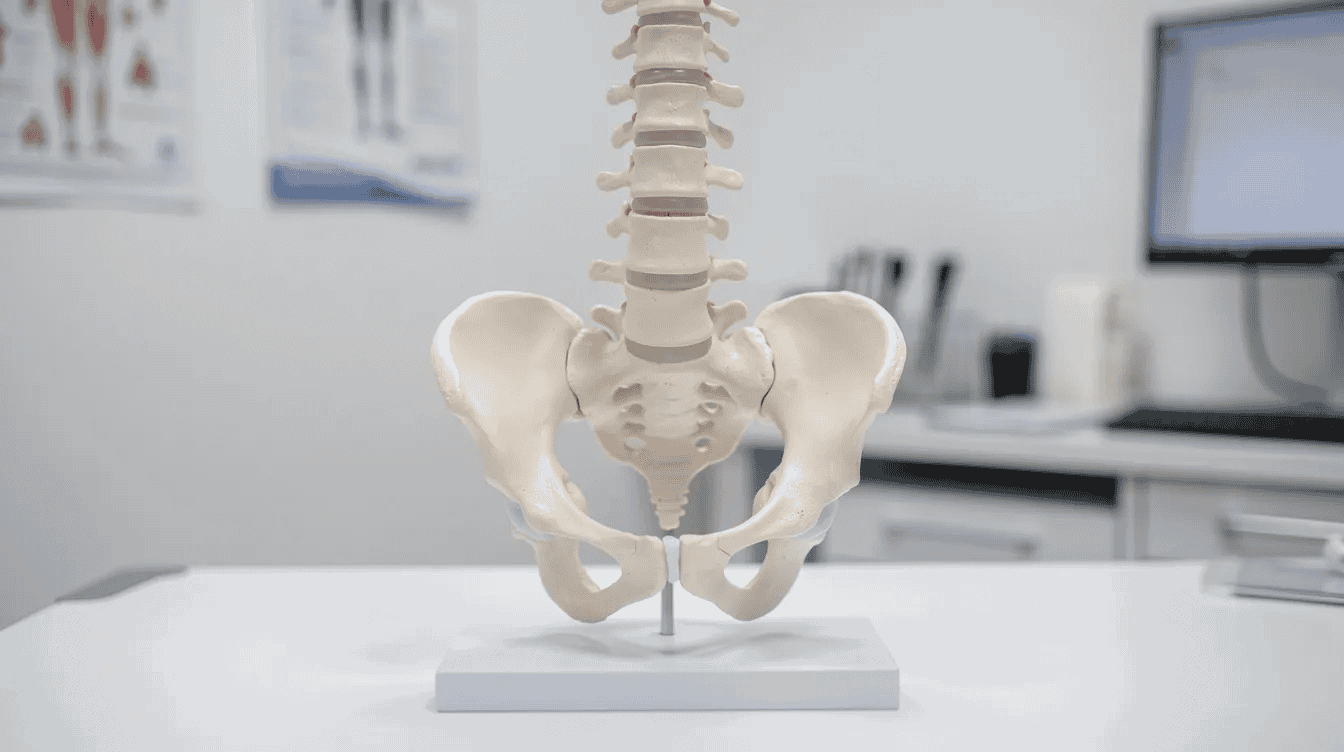
The anatomy is straightforward: nerve roots exit the lumbar spine, combine deep in the buttock to form the sciatic nerve, and then branch down the leg. A herniated disc or bone spurs at one of these levels can compress or chemically irritate the nerve root, producing intense sciatic pain in the leg even when the muscles, bones, and joints of the lower back are not particularly sore. Nerve root irritation – not back muscle pain – is the key driver.
If your pain is limited to the middle of the lower back without any leg symptoms, this is unlikely to be true sciatica and is more likely mechanical low back pain, which is managed quite differently.
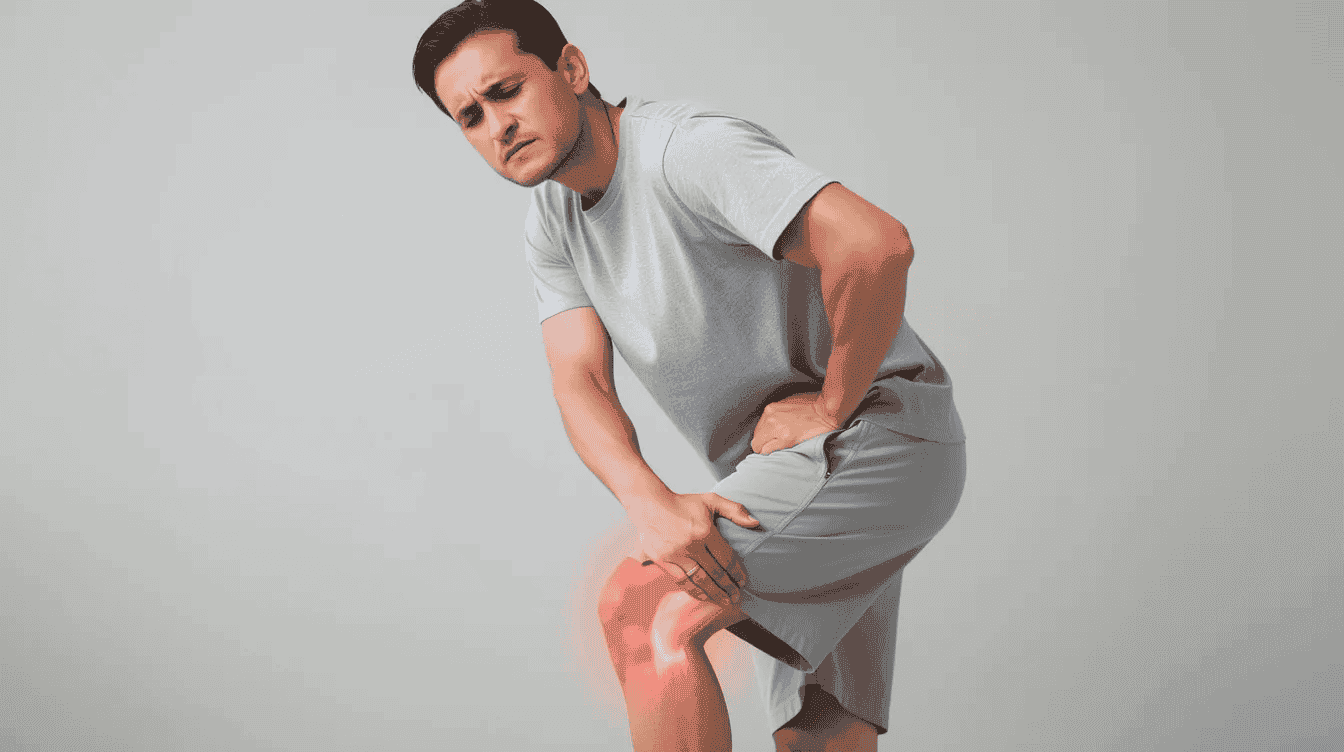
Typical Sciatica Symptoms When There Is Little or No Back Pain
The pattern of leg pain is often more informative than whether the back hurts. As a spine surgeon, I rely heavily on this symptom map when assessing patients.
- Pain character and path: Sharp, burning, or electric-shock-like sciatica pain running from the buttocks down the back of the leg or its outer side. It may reach the calf, outer ankle, or foot and toes. Sciatica symptoms often affect one leg and foot only.
- Associated nerve symptoms: Numbness may present as tingling or a total loss of sensation in the leg or foot. The affected side may feel “heavy” or “clumsy” even when formal strength testing is close to normal. Numbness or tingling may occur in the leg or foot alongside temperature changes or hypersensitivity.
- Aggravating factors: Symptoms may worsen with sitting for long periods, bending, coughing, or sneezing. Pain may worsen with movement. Lying flat or gentle exercise such as a short walk often eases things. These patterns can occur even when the lower back feels largely normal.
- Severity range: Severe sciatica may make it impossible to stand upright, walk more than a few metres, or sleep – yet the back itself is just “a bit stiff.” Milder episodes might involve intermittent tingling or aching after sitting.
- Different patterns: Isolated groin pain, front-of-thigh pain, or pain only in the hip region without a typical sciatic line should prompt consideration of hip, sacroiliac, or vascular causes rather than pure sciatica.
When to Seek Urgent Medical Help (Red-Flag Symptoms)
Most cases of sciatica, with or without back pain, settle over a few weeks. But a small minority signal serious problems requiring immediate assessment. Symptoms may indicate medical emergencies like cauda equina syndrome.
- Cauda equina syndrome: Seek medical care for numbness around the groin or loss of bladder control, difficulty starting or stopping urination, numbness around the genitals or anus (“saddle numbness”), rapidly progressive leg weakness, or pain in both legs. This is a 999 / emergency department issue the same day.
- Systemic red flags: Age over 50 with new unexplained sciatica pain, a medical history of cancer, fevers or night sweats, unintentional weight loss, constant unrelenting night pain not eased by rest, or severe pain after significant injury or trauma. In older adults, understanding how ageing affects the spine and back pain can help distinguish typical wear-and-tear from warning signs.
- Progressive nerve damage: Sudden new foot drop (difficulty lifting the front of the foot), inability to stand on tiptoes, or rapidly worsening leg weakness requires urgent same-week spinal specialist review, as early surgery may preserve nerve function.
- Practical UK advice: When these symptoms appear, do not wait. Call NHS 111, contact your GP urgently, or attend A&E depending on severity.
Why Sciatica Can Occur Without Back Pain: Common Spinal Causes
In my practice, MRI scans often show relatively modest disc prolapse or stenosis in patients with no significant backache but very troublesome leg pain. The most common cause of this pattern falls into a few categories.
- Lumbar disc herniation: Disc material at L4–5 or L5–S1 bulges or leaks, compressing a single nerve root. The outer disc and facet joints may not be very inflamed, so the back can feel relatively normal while the irritated nerve root causes intense sciatic leg pain. A herniated disc is sciatica caused by direct compression and chemical inflammation.
- Foraminal or lateral recess stenosis: Bony overgrowth (osteophytes), facet joint arthritis, or thickened ligaments narrow the side canals where nerve roots exit the spine. This is common in people aged 50–70. Research shows that 76% of patients with L5–S1 foraminal stenosis had leg pain at rest, compared with just 35% in central canal stenosis – often with minimal back symptoms.
- Chemical inflammation: Sometimes inflammation of the nerve root from leaked disc material or local swelling is more important than mechanical pressure. This can trigger severe nerve pain down the leg without dramatic structural changes on scan.
- Early degenerative changes: In mild degenerative disc disease, the disc itself may not be painful, but the inflamed nerve root dominates the symptom picture, giving the impression of “leg-only” sciatica.
Non-Spinal Causes of Sciatica-Like Leg Pain Without Back Pain
Not all leg pain labelled as “sciatica” actually arises from the spine. As a surgeon, I frequently see patients whose investigations reveal hip, pelvis, nerve, or vascular problems instead.
- Piriformis syndrome: The piriformis muscle in the deep buttock can compress the sciatic nerve, causing buttock and leg pain that is worse when sitting or driving for long periods. Piriformis syndrome is sometimes called “wallet sciatica” – a bulky back-pocket wallet pressing against the body is a surprisingly common and overlooked cause, often eased by simply removing it. Endometriosis can also lead to sciatica by affecting the sciatic nerve in the pelvis.
- Hip joint pathology: Hip osteoarthritis, labral tears, femoroacetabular impingement, or bursitis cause groin and buttock pain that may radiate down the thigh. Hip osteoarthritis can mimic sciatica symptoms, especially when the back is painless.
- SIJ problems and sacral fractures: Sacroiliitis causes pain that can radiate down the thigh, sometimes mimicking sciatica. Risk is higher in older patients, those with osteoporosis, or after pregnancy. Light walking may ease sacroiliitis, whereas sacral insufficiency fractures hurt more with loading.
- Vascular and metabolic causes: Peripheral arterial disease causes cramping leg pain on walking (vascular claudication), improving with rest – a pattern linked to reduced blood flow rather than nerve tingling. Diabetic peripheral neuropathy results from nerve damage due to high blood sugar, creating burning, numb feet in a stocking pattern. Vascular issues can also cause sciatica symptoms through nerve compression, and these conditions may coexist with more typical mechanical causes of back pain.
- Rare causes: Benign or metastatic tumours along the sciatic nerve or in the pelvic/gluteal region; shingles (herpes zoster) affecting the affected side before the rash appears; or drugs such as chemotherapy agents causing medication-induced neuropathy.
How I Diagnose Sciatica Without Back Pain
An accurate diagnosis requires far more than “having a scan.” It combines a careful medical history, targeted physical examination, and selective imaging or nerve tests.
- History questions: I ask about the exact pain line down the leg, onset (sudden vs gradual), triggers (sitting, coughing, walking), any back discomfort at onset, sleep disruption, previous episodes, and any bladder, bowel, or sexual function changes.
- Physical examination: Testing straight-leg raise and slump tests, checking muscle weakness via heel and toe walking, assessing reflexes and sensation in L4, L5, and S1 dermatomes. I also palpate the hip, piriformis, and SI joint to differentiate extraspinal causes. Weakness in one leg compared with the other is a particularly important finding.
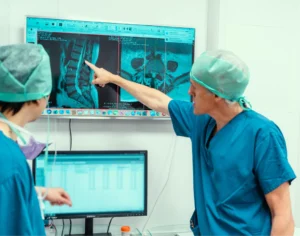
- When MRI helps: Persistent sciatica beyond 6–8 weeks despite good conservative care; red flags; progressive neurological deficit; or when planning injections or surgery. Many early cases can be managed safely without immediate imaging. According to BMJ clinical guidelines, imaging must always correlate with clinical presentation to avoid over-treatment, especially in age-related conditions such as lumbar spinal stenosis.
- Additional tests: X rays to assess hip or sacroiliac joint; CT or bone scan for suspected fractures; ultrasound for vascular issues; nerve conduction studies if peripheral neuropathy is suspected.
- Matching the picture: The goal is to match clinical findings with imaging, avoiding over-treating “scan findings” that are age-related and unrelated to the patient’s current leg pain.
Treatment Options: Managing Sciatica Leg Pain With Minimal Back Symptoms
Most people improve without surgery, even when sciatica pain is severe. Treatment is tailored to the cause and to the individual patient’s goals and general health.
Staying Active
- Staying active: Remaining active is one of the most important things you can do. Avoid prolonged bed rest. Short walks on flat ground, gentle stretching, and pacing of activities all help. Movement does not damage the nerve further and usually aids recovery. Staying active can help manage sciatica symptoms effectively. Heat packs can also help relieve sciatica pain during flare-ups, offering temporary relief alongside activity, while appropriate analgesia for spinal pain should always be tailored and time-limited.
Physiotherapy
- Physiotherapy: Physiotherapy is a common treatment for sciatica. Targeted strengthening exercises for core stability, hip mobility, hamstring and gluteal stretching, and piriformis release are highly effective. Simple exercises done consistently – even 10 minutes daily – often outperform painkillers alone. Your healthcare professional can tailor exercise advice to your specific needs and good posture habits.
Medications
- Medications: Short-term use of anti inflammatories (if safe for you), simple analgesics, and occasionally nerve-modulating drugs such as gabapentin or pregabalin for neuropathic sciatic pain. Pain medication can assist in sciatica treatment, but realistic expectations and medical supervision are important. Pain relief from medications alone is often temporary, and is usually combined with other specialist spinal treatments such as physiotherapy or targeted injections.
Injections
- Injections: Epidural steroid injections, selective nerve root blocks, or piriformis injections reduce inflammation around the nerve and provide a window for rehabilitation. These are usually outpatient procedures performed under x rays guidance, offering temporary relief that facilitates active recovery, and well-planned spine injections can also help confirm which nerve is the main pain source.
Surgery
- Surgery: I consider microdiscectomy or decompression when persistent disabling leg pain continues beyond about 3 months despite optimal non-surgical care, or when there is progressive neurological deficit. A randomised trial published in the New England Journal of Medicine showed mean leg pain scores of 2.8 versus 5.2 (on a 10-point scale) at six months, favouring surgery. Surgery targets leg pain more reliably than backache, and most patients return to normal life within 4–6 weeks; a well-planned lumbar microdiscectomy procedure is often the operation of choice for disc-related sciatica.

Long-Term Outlook and Preventing Future Episodes
Most sciatica cases improve within 12 weeks, including those with minimal back pain. Some residual numbness or mild twinges in the thigh or calf may persist longer but typically fade over months.
Recurrence Risk
- Recurrence risk: Recurrence is common after a first disc herniation. Maintaining hip and core strength, flexibility, and cardiovascular fitness through regular gentle exercise lowers the risk of severe future episodes.
Lifestyle Adjustments
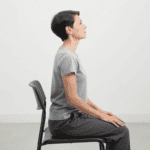
- Lifestyle adjustments: Ergonomic sitting, regular breaks from sitting or driving for long periods, safe lifting technique, weight management, smoking cessation, and managing diabetes or vascular risk factors all contribute to long-term recovery. Good posture at work and home matters, and many people benefit from a structured plan with a specialist spine clinic to support these changes.
Sleep, Stress, and Mood
- Sleep, stress, and mood: Poor sleep, high stress, and low mood can amplify sciatic pain signals even after the mechanical irritation has improved. Paced breathing, relaxation techniques, and psychological support when needed are simple but effective strategies.
When to Re-consult
- When to re-consult: Recurrence of severe leg-dominant pain, new neurologic symptoms such as muscle weakness or a tear in your usual function, or failure to progress over 8–12 weeks despite good adherence to an exercise programme – all warrant re-assessment by a specialist.
FAQs: Sciatica Without Back Pain
These questions reflect what patients commonly ask me at the UK Spine Centre. Answers are general guidance, not individual medical advice. Always consult a healthcare professional for your specific situation.
Can I have sciatica if my MRI scan looks “normal”?
Yes. MRI is very sensitive but not perfect. Mild disc bulges, subtle foraminal narrowing, or early nerve root inflammation may not look dramatic on imaging. Conversely, many people have abnormal-looking scans without any pain at all. Diagnosis is primarily clinical – based on your history and examination. A normal-looking scan does not automatically rule out nerve irritation, especially early in the course. Pressure on the nerve can be intermittent and position-dependent, which a static MRI may miss, so a focused review with a spinal specialist via video consultation for back and leg pain or an in-person appointment at a spine clinic can be very helpful.
Is walking good or bad for sciatica leg pain?
For most patients, short, frequent walks on flat ground are beneficial. Walking helps blood flow, reduces stiffness, and supports recovery. Start with just a few minutes and build up gradually. However, if walking consistently triggers severe leg pain after a fixed distance – suggesting spinal stenosis or vascular issues – or if there is new weakness in the knee or foot, then medical review is needed before pushing on.
How do I know if my leg pain is from my hip or my spine?
Hip joint pain is commonly felt in the groin and front of the thigh, worsens when putting weight through the leg or rotating the hip, and may cause a painful limp. Sciatic pain usually runs down the back of the leg or its outer side and is affected more by spine positions – sitting, bending, coughing, or sneezing. Persistent uncertainty should be resolved by a clinician who can examine both the hip and spine and arrange appropriate x rays or MRI when indicated.
Can sciatica without back pain still be dangerous?
Yes. Serious conditions such as cauda equina syndrome, tumours, or severe nerve compression can present with dominant leg pain and only mild or vague back discomfort. Watch for new bladder or bowel problems, saddle numbness, rapidly worsening weakness, or night pain with weight loss. These warrant urgent medical assessment regardless of how the back itself feels.
When should I consider seeing a spine surgeon rather than just a physiotherapist?
Physiotherapy is an excellent first-line treatment for most people. A surgical opinion is appropriate if severe sciatica pain persists beyond about 6–12 weeks, if there is progressive leg weakness, or if symptoms are severely limiting work or daily life despite good non-surgical care. A consultation does not commit anyone to surgery – it allows a full review of your diagnosis, a balanced discussion of risks and benefits, and a clear plan that often still focuses on conservative measures.